

Antioxidant Supplements for Fertility: What the Evidence Shows
Antioxidant supplements for fertility work by neutralizing reactive oxygen species (ROS) that damage sperm DNA, impair egg maturation, and reduce overall reproductive function. The most studied compounds include Coenzyme Q10 (CoQ10), N-acetyl cysteine (NAC), Vitamins C and E, Selenium, Zinc, and Alpha-Lipoic Acid. Clinical trials show measurable improvements in sperm parameters and, in some cases, pregnancy rates, particularly in people with confirmed high oxidative stress. These supplements function as adjuvant therapy, not standalone fertility treatments. Timing, dosage, and individual biology all shape outcomes.
Key facts at a glance:
- Antioxidants counter oxidative stress that impairs sperm motility, DNA integrity, and oocyte quality.
- RCTs show significant improvements in sperm concentration and clinical pregnancy rates in men with high static oxidation-reduction potential (sORP) after 6 months of micronutrient antioxidant use.
- Benefits are most pronounced in people with documented oxidative stress, not necessarily in the general fertility population.
- Most protocols require several months of consistent supplementation to align with gametogenesis cycles.
- Excessive intake can cause reductive stress, which may itself impair fertility.
- Resveratrol is contraindicated during the luteal phase and pregnancy.
- Always consult a healthcare provider before starting any supplementation regimen.
How oxidative stress damages reproductive health in men and women
Oxidative stress occurs when ROS production outpaces the body’s antioxidant defenses. In reproductive biology, this imbalance disrupts the precise redox signaling that governs gamete development, fertilization, and early embryo growth.
In men, sperm cells are especially vulnerable. Their plasma membranes contain high concentrations of polyunsaturated fatty acids, which ROS oxidize readily, compromising membrane integrity and reducing motility. Elevated ROS also fragment sperm DNA, a factor linked to lower fertilization rates and higher miscarriage risk. Oxidative stress impairs sperm quality, oocyte maturation, and reproductive outcomes across multiple biological pathways.
In women, the picture is more complex. ROS at physiological levels actually regulate the menstrual cycle, trigger ovulation, and support implantation. Pathological excess, however, disrupts folliculogenesis and oocyte maturation, and contributes to conditions like polycystic ovary syndrome (PCOS) and endometriosis. Clinical studies link elevated oxidative stress in women to reduced oocyte quality, poorer embryo development, and worse assisted reproductive technology (ART) outcomes.
Lifestyle factors drive a significant share of oxidative stress in both sexes. Smoking, alcohol consumption, obesity, chronic psychological stress, and poor diet all elevate ROS levels. Addressing these factors alongside supplementation produces better results than supplements alone.
- Smoking generates free radicals that directly damage sperm DNA and reduce ovarian reserve.
- Obesity correlates with systemic inflammation and elevated ROS, compounding reproductive dysfunction.
- A diet low in fruits, vegetables, and whole grains reduces the body’s baseline antioxidant capacity.
- Chronic stress elevates cortisol, which disrupts hormonal signaling tied to ovulation and spermatogenesis.
Key antioxidant supplements studied for fertility support
The seven compounds below appear most consistently across peer-reviewed fertility research. Their mechanisms differ, their evidence bases vary in strength, and their optimal use depends on whether the goal is improving sperm parameters, egg quality, or both.
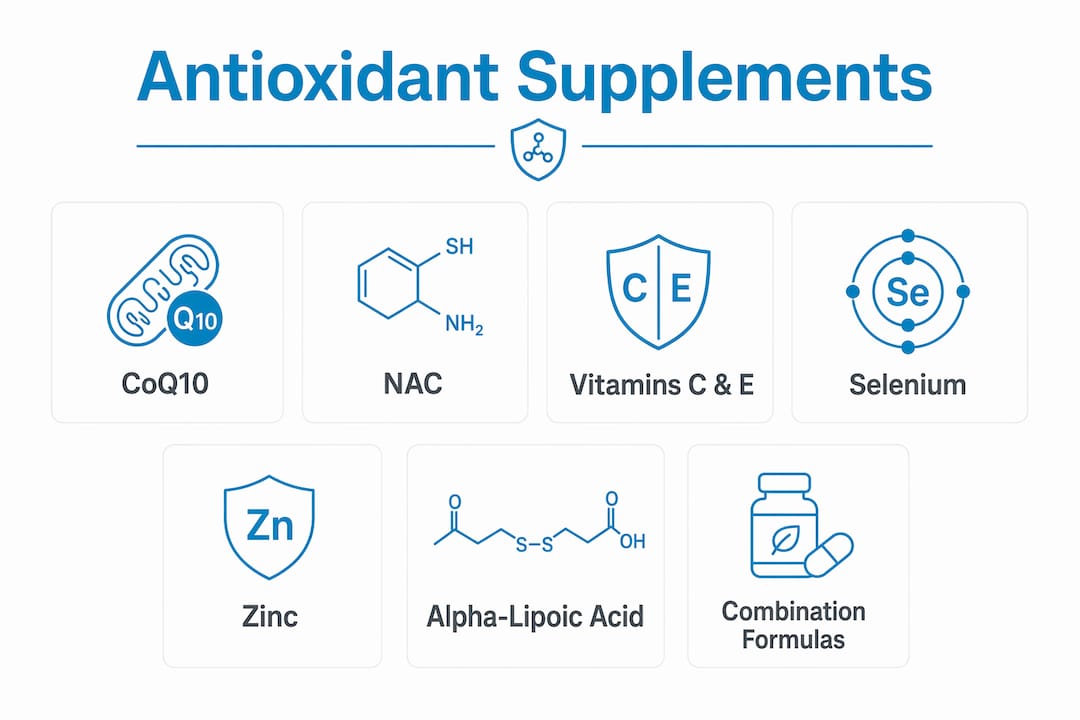
Coenzyme Q10 (CoQ10)
CoQ10 supports mitochondrial ATP production and acts as a fat-soluble antioxidant in cell membranes. Oocytes are mitochondria-dense cells, making them particularly dependent on CoQ10 for energy during maturation. Randomized trials indicate benefits of CoQ10 on fertility parameters, especially in women with diminished ovarian reserve. In men, CoQ10 supplementation has been associated with improvements in sperm motility and concentration. Typical studied doses range from 200 mg to 600 mg per day.
N-acetyl cysteine (NAC)
NAC is a precursor to glutathione, the body’s primary intracellular antioxidant. By replenishing glutathione, NAC protects both sperm and oocytes from oxidative damage at the cellular level. It has shown particular promise in women with PCOS, where oxidative stress is chronically elevated. NAC also has mild anti-inflammatory properties that may benefit the endometrial environment.
Vitamins C and E
Vitamins C and E work together. Vitamin C is water-soluble and scavenges free radicals in aqueous cellular environments; Vitamin E is fat-soluble and protects cell membranes from lipid peroxidation. In men, Vitamin E inhibits ROS production and shields the sperm plasma membrane. Recommended daily doses for women in ART protocols range from 127–167 mg for Vitamin C and 8.5–11 mg for Vitamin E. These two vitamins also regenerate each other, amplifying their combined antioxidant effect.
Selenium
Selenium is a trace element incorporated into glutathione peroxidase enzymes, which are among the most potent intracellular antioxidant systems. In men, selenium supports spermatogenesis and protects sperm from oxidative damage. In women, selenium contributes to oocyte health and thyroid function, both of which influence fertility. Studied doses for women in ART contexts reach up to 75 mcg per day.
Zinc
Zinc participates in DNA transcription and is critical for spermatogenesis. Sperm cells have high oxidative phosphorylation activity and low cytoplasmic content, making them especially susceptible to ROS attack. Zinc supplementation, particularly when combined with folic acid, has shown improvements in sperm concentration in men with infertility. Micronutrient antioxidants containing folic acid and zinc significantly improved sperm concentration and sORP in men with high oxidative stress after 6 months of use.
Alpha-Lipoic Acid (ALA)
ALA is both water- and fat-soluble, giving it access to a broader range of cellular compartments than most antioxidants. It regenerates other antioxidants including Vitamins C and E and glutathione, and it supports mitochondrial function. ALA has been studied for its role in improving insulin sensitivity in PCOS, which indirectly reduces oxidative stress. Evidence in fertility specifically is less extensive than for CoQ10 or NAC, but its broad antioxidant reach makes it a common component of combination protocols.
Combination antioxidant formulas
Single-antioxidant trials often show modest effects. Combination formulas that pair zinc, folic acid, Vitamins C and E, and CoQ10 tend to produce more consistent results, likely because they address multiple oxidative pathways simultaneously. Meta-analyses of 45 RCTs with over 4,000 infertile men show strong evidence for improvements in pregnancy rates and sperm quality parameters with antioxidant therapy, though live birth data remain limited.
| Supplement | Primary function | Studied dosage range | Key fertility benefit |
|---|---|---|---|
| CoQ10 | Mitochondrial energy, membrane antioxidant | 200–600 mg/day | Oocyte quality, sperm motility |
| NAC | Glutathione precursor | 200–600 mg/day | PCOS, sperm DNA protection |
| Vitamin C | Aqueous free-radical scavenging | 75–167 mg/day | Sperm and oocyte protection |
| Vitamin E | Membrane lipid peroxidation protection | 8.5–15 mg/day | Sperm membrane integrity |
| Selenium | Glutathione peroxidase support | up to 75 mcg/day | Spermatogenesis, oocyte health |
| Zinc | DNA transcription, ROS scavenging | 8.5–11 mg/day | Sperm concentration, sORP reduction |
| Alpha-Lipoic Acid | Broad-spectrum antioxidant regeneration | — | Mitochondrial support, insulin sensitivity |
How to safely integrate antioxidants into your fertility plan
Safety profiles for the seven antioxidants above are generally favorable at studied doses. Serious adverse effects are rare when people stay within clinically evaluated ranges. That said, antioxidant supplementation carries real risks when used carelessly.
Start early, stay consistent. Effective supplementation requires at least 3 months of consistent intake, matching the timeline of spermatogenesis (roughly 74 days) and the follicular development cycle in women. Starting supplementation a week before an IVF cycle will not produce the cellular changes that matter. Three to 6 months before planned conception or ART is the standard clinical window.
Avoid excessive doses. Excess antioxidant intake can cause reductive stress, a state where the redox balance tips too far in the other direction and disrupts the ROS signaling that gametes actually need. This is not a theoretical concern. Experts confirm that excessive doses impair gamete development, adding real complexity to the “more is better” assumption many people bring to supplementation.
Know the contraindications. Resveratrol should be avoided during the luteal phase and pregnancy due to its anti-deciduogenic effect on the endometrium. Quercetin is similarly not recommended during pregnancy. Clinical guidelines flag these restrictions explicitly, and they apply regardless of how well-tolerated these compounds are in other contexts.
Check for interactions. Antioxidants can interact with fertility medications. High-dose Vitamin E may affect platelet function, which matters if gonadotropin injections or egg retrieval procedures are planned. Selenium at high doses is toxic. Anyone undergoing IVF, IUI, or taking hormone-based fertility drugs should review their supplement stack with a reproductive endocrinologist before starting.
Key integration steps:
- Get a fertility evaluation first. Antioxidants address oxidative stress, not structural issues, hormonal imbalances, or genetic factors.
- Pair supplementation with dietary changes: increase intake of antioxidant-rich foods including berries, leafy greens, nuts, and fatty fish.
- Quit smoking. No antioxidant supplement compensates for the oxidative load that smoking generates.
- Manage stress through sleep, exercise, and, where needed, behavioral support. Cortisol dysregulation undermines the hormonal environment that antioxidants are trying to protect.
For women pursuing personalized nutrition support alongside supplementation, hormone-healthy nutrition resources can help align dietary antioxidant intake with reproductive health goals.
Pro Tip: Ask your reproductive specialist about testing static oxidation-reduction potential (sORP) before starting antioxidants. Targeted supplementation in people with confirmed high sORP produces the most consistent clinical improvements; blind supplementation without a baseline may deliver little benefit.
What recent research and experts say about antioxidant therapy
The current expert consensus is clear on one point: antioxidants are adjuvant therapy. They support fertility treatment; they do not replace it. Professional guidelines recommend antioxidant use only after a thorough fertility evaluation, and only when oxidative stress is documented as a contributing factor.
The evidence base is strongest for male fertility. A systematic review and meta-analysis of over 4,000 infertile men across 45 RCTs found strong evidence for improvements in spontaneous pregnancy rates and conventional sperm parameters with antioxidant therapy. Live birth data, however, remain limited, and researchers note that heterogeneity across trials makes firm conclusions difficult.
For women, the picture is more nuanced. Next-generation dietary antioxidants show promise for improving oocyte quality, embryo developmental competence, and ART outcomes, particularly when targeted to women with documented oxidative stress. ART protocols increasingly incorporate antioxidant adjuncts customized by patient oxidative status. The mechanistic rationale is solid; the clinical trial data are still catching up.
A precision medicine approach is gaining traction. Rather than prescribing a standard antioxidant stack to every fertility patient, specialists are moving toward biomarker-guided protocols. Testing sORP or similar oxidative stress markers before prescribing allows for targeted intervention and avoids the reductive stress risk that comes with blanket high-dose supplementation.
Key research takeaways:
- Evidence is strongest for antioxidants in men with confirmed high sORP, where sperm concentration and pregnancy rates improve significantly after 6 months.
- For women, antioxidants show the clearest benefit in those with PCOS, endometriosis, or diminished ovarian reserve, conditions where oxidative stress is chronically elevated.
- More standardized RCTs are needed to confirm effects on live birth rates and to establish optimal dosing regimens.
- Treating the underlying causes of oxidative stress, including lifestyle factors, produces better outcomes than supplementation alone.
- Heterogeneity in trial design, dosages, and patient populations makes direct comparisons across studies difficult, and current data should be interpreted with that limitation in mind.
Nexoclub antioxidant supplements for your fertility support plan
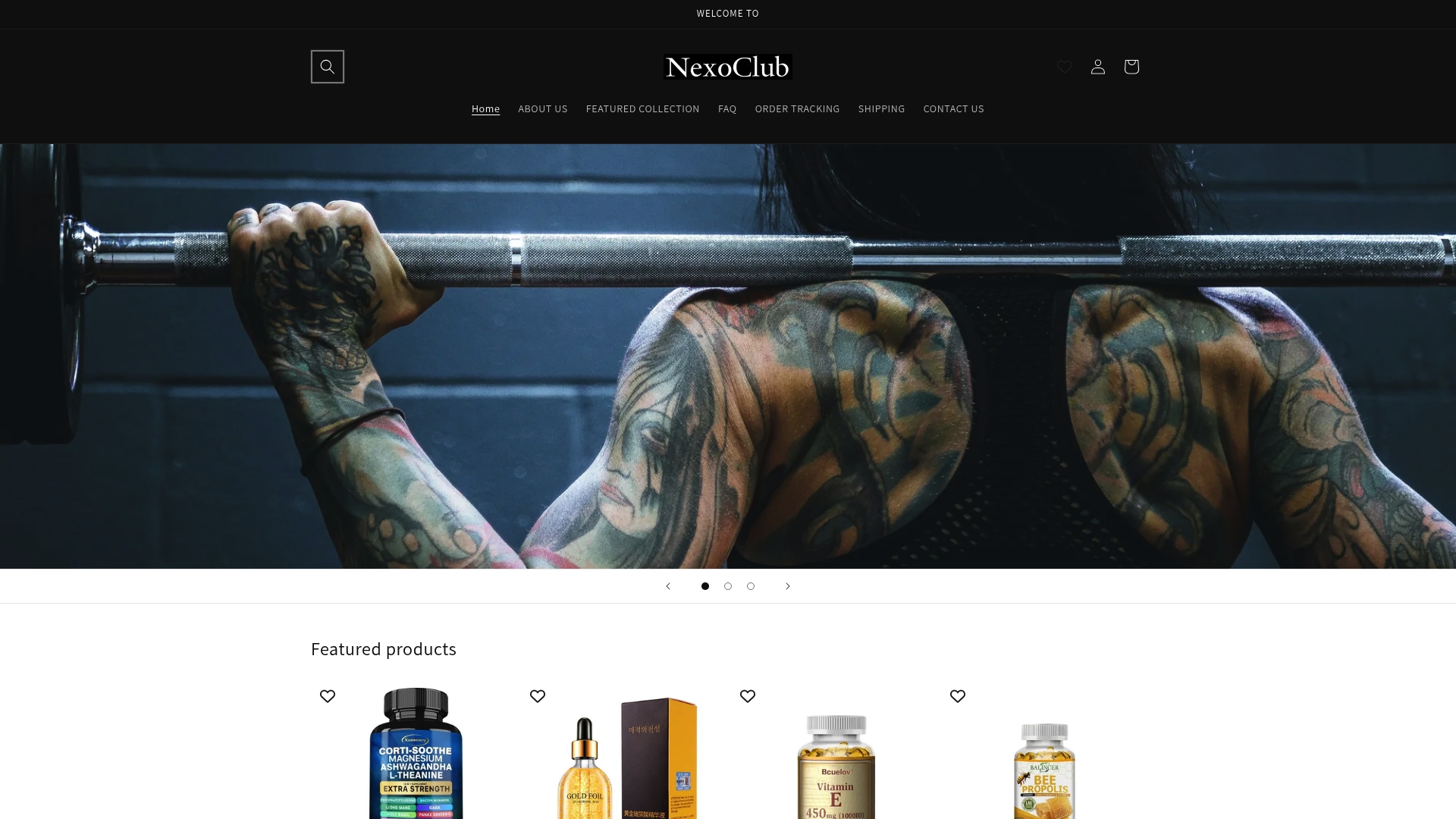
Nexoclub carries a curated selection of antioxidant supplements relevant to reproductive health support. The NAD+ Booster with Resveratrol combines antioxidant compounds that support mitochondrial function and cellular energy, two factors directly tied to oocyte and sperm quality. For targeted Vitamin E support, the Bcuelov Vitamin E 1000 IU provides a high-potency option with documented antioxidant benefits. Browse the full range of antioxidant options at Nexoclub’s antioxidant supplement guide to find products that fit your specific fertility support goals.
Key Takeaways
Antioxidant supplements for fertility produce the most consistent clinical improvements in people with confirmed elevated oxidative stress, particularly in men with high sORP and women with PCOS or diminished ovarian reserve.
| Point | Details |
|---|---|
| Best candidates for antioxidants | People with confirmed high oxidative stress (sORP) benefit most; blind supplementation may deliver little effect. |
| Minimum supplementation window | At least 3 months of consistent intake is required to align with spermatogenesis and follicular development cycles. |
| Reductive stress risk | Excessive antioxidant doses disrupt redox balance and can impair gamete development. |
| Strongest evidence | Meta-analyses of over 4,000 infertile men across 45 RCTs show improvements in pregnancy rates and sperm parameters. |
| Contraindications to note | Resveratrol must be avoided during the luteal phase and pregnancy due to its anti-deciduogenic effect. |