

Hair Vitamins Serum: Key Ingredients and How to Use Them
A hair vitamins serum is a topical treatment that delivers concentrated vitamins and nutrients directly to the scalp and hair strands. Unlike oral supplements, which must pass through the digestive system before reaching hair follicles, a serum applies active ingredients at the source. The result is more targeted delivery with fewer systemic variables.
The primary benefits of a vitamin-infused hair serum include:
- Reduced breakage and split ends through strengthened hair shaft structure
- Improved scalp health by nourishing follicles and maintaining moisture balance
- Enhanced shine and smoothness from emollient oils and antioxidant vitamins
- Support for hair growth cycles when key deficiencies are addressed
- Protection against heat and UV damage via antioxidant compounds like Vitamin E and C
Common vitamins found in these formulas include Vitamin E (antioxidant protection), Vitamin B5 (moisture retention), and Vitamin C (collagen synthesis and iron absorption). Each plays a distinct role in maintaining hair structure and scalp function. However, the vitamins with the most evidence-backed benefit for hair health, when a deficiency exists, are iron, Vitamin D, and Vitamin C. Serums are not a guaranteed regrowth solution, but as part of a consistent hair care routine, they address specific deficiencies and environmental stressors that oral supplements cannot reach as directly.
Table of Contents
- What are the key ingredients in hair vitamin serums?
- How to apply hair vitamin serums for the best results
- What do dermatologists say about hair vitamin serums?
- What side effects and allergies should you watch for?
- Nexoclub has the vitamin products your hair routine needs
- Key Takeaways
What are the key ingredients in hair vitamin serums?
The active ingredients in a hair growth serum determine what it can and cannot do. Knowing what each compound contributes helps you select a formula matched to your hair’s actual needs.
Vitamin E is the most common antioxidant in topical hair formulas. It neutralizes free radicals that degrade the scalp’s lipid layer, and Vitamin E supports moisture retention and overall follicle health. Nexoclub’s Vitamin E 1000 IU supplement provides 450 mg per serving, making it a practical complement to topical serum use.

Vitamin C does two things simultaneously: it boosts collagen production, a structural protein that keeps hair strong, and it enhances iron absorption in the body. Severe Vitamin C deficiency is associated with hair abnormalities, which is why it appears in both topical serums and oral formulas. The NuFACE Super Vita-C Booster Serum is one example of a vitamin C serum that applies this principle topically.
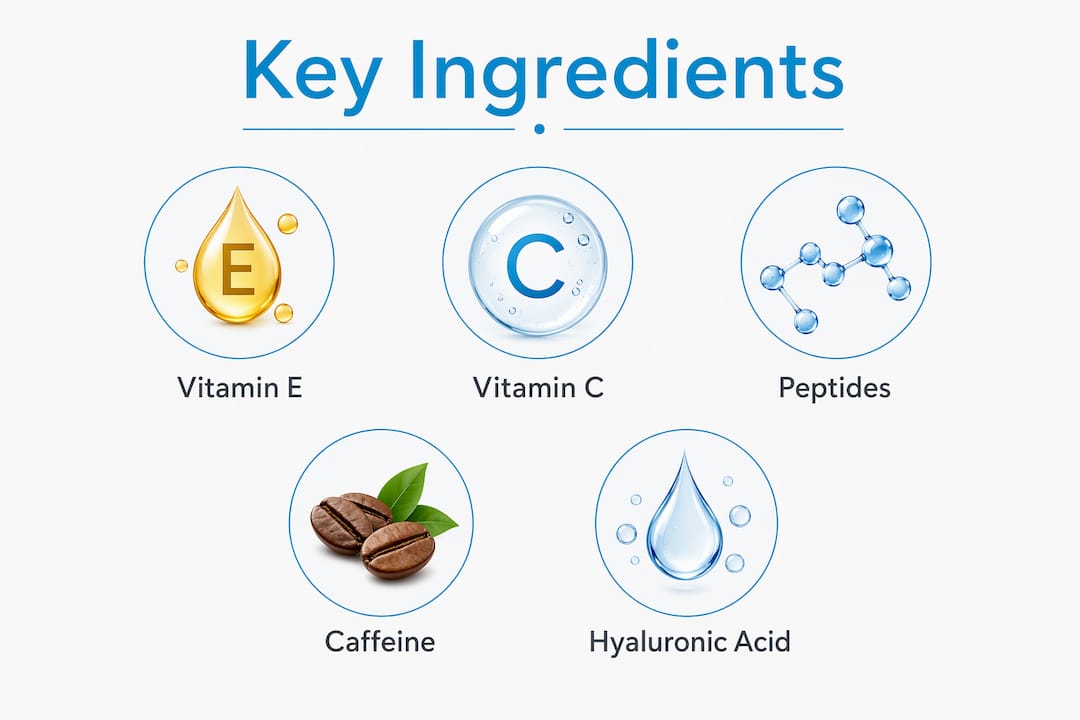
Vitamin B5 (panthenol) penetrates the hair shaft and binds moisture at the cortex level. Keratin serums combining vitamins A, E, and B5 reduce breakage, protect against heat and UV damage, and smooth frizz. Vitamin B12, while primarily an oral supplement, supports red blood cell production that carries oxygen to follicles. Nexoclub’s Vitamin B12 5000 mcg supplement addresses this systemic pathway.
Nourishing oils form the delivery base for most serums:
- Argan oil locks in moisture and improves softness and shine from root to tip
- Macadamia oil is high in oleic acid, which closely matches the scalp’s natural sebum
- Avocado oil penetrates deeply due to its small molecular weight, carrying fat-soluble vitamins into the hair shaft
Peptides and caffeine address scalp circulation directly. Peptides signal follicle cells to produce more keratin, while caffeine stimulates blood flow to the scalp, supporting thicker-looking hair over time. Botanicals combined with these clinically studied actives enhance hair density and strength with consistent use.
Hyaluronic acid is less common in hair serums but increasingly present. It draws moisture into the scalp tissue, reducing dryness and flaking. Nexoclub’s 24K Gold Hyaluronic Acid Face Serum demonstrates how hyaluronic acid formulas deliver hydration at the skin level, a principle that applies equally to scalp care.
How to apply hair vitamin serums for the best results
Correct application makes a measurable difference in how well a serum performs. The technique matters as much as the formula.
Start with clean hair. Apply the serum to a clean, damp scalp and hair for maximum absorption. Residue from styling products or excess sebum creates a barrier that blocks active ingredients from reaching the follicle. Some no-rinse formulas work on dry hair as well, particularly those designed for mid-shaft and end treatment rather than scalp application.

Use the right amount. Overuse is one of the most common mistakes. A few drops distributed across the scalp is sufficient for most formulas. Applying too much leaves a greasy residue and can clog follicles, which counteracts the serum’s purpose.
Massage the scalp. After applying the serum, use your fingertips to massage it in for 1–2 minutes. This step serves two functions: it ensures even distribution and it stimulates blood circulation in the scalp, which supports nutrient delivery to follicles independently of the serum’s ingredients.
Frequency guidelines by hair type:
- Fine or oily hair: 3–4 times per week to avoid buildup
- Normal hair: daily use is generally well tolerated
- Dry, coarse, or chemically treated hair: daily to twice daily, focusing on ends and damaged sections
- Sensitive scalp: start with 2–3 times per week and monitor for irritation
Avoid overwashing. Washing hair daily strips natural oils that protect the scalp and hair shaft. If you use a serum daily, limit shampooing to 3–4 times per week. This preserves the serum’s effects between applications.
Pro Tip: For scalp-targeted serums with peptides or caffeine, apply at night. Scalp circulation increases during sleep, which may improve ingredient absorption over a daytime application.
Consistent use improves results. Most formulas require 4–8 weeks of regular application before visible changes in texture, shine, or density become apparent.
What do dermatologists say about hair vitamin serums?
Expert consensus on hair vitamin serums is measured, not dismissive. Dermatologists generally support their use as part of a broader hair care routine, with specific caveats about what vitamins can and cannot do on their own.
This perspective reflects the clinical mainstream. Topical vitamins support hair health most effectively when they are correcting a deficiency or protecting against environmental damage. For someone with adequate nutrition, a serum’s benefit is primarily protective and cosmetic rather than restorative.
The vitamins with the strongest clinical backing for hair health are iron, Vitamin D, and Vitamin C, according to the International Society of Hair Restoration Surgery. Vitamin D plays a significant role in normal hair follicle cycling, and deficiency correlates with hair loss. Experts recommend checking Vitamin D levels annually and supplementing to maintain adequate levels.
Biotin receives heavy marketing attention but limited clinical support. Biotin deficiency is extremely rare in healthy individuals eating a normal diet, and supplementation shows limited evidence for improving hair growth in the absence of deficiency. More practically, excessive biotin can interfere with thyroid and hormone lab tests, which is a real clinical concern for anyone undergoing routine bloodwork.
Hair vitamin serums offer targeted nutrient delivery with less systemic risk than oral supplements. They help maintain scalp health, moisture, and strand protection, but they are not a standalone solution for significant hair regrowth. The clinical evidence supports their role as a complement to balanced nutrition, not a replacement for it.
What side effects and allergies should you watch for?
Hair vitamin serums are generally well tolerated, but reactions do occur, and knowing what to watch for prevents minor irritation from becoming a persistent problem.
Contact dermatitis is the most common adverse reaction. It presents as redness, itching, or scaling at the application site. Fragrances, preservatives, and certain botanical extracts are frequent triggers. If you have a history of sensitive skin or known fragrance allergies, scan the ingredient list before first use.
Folliculitis can develop when a serum is applied too heavily or too frequently. Excess product accumulates around the follicle opening and creates conditions for bacterial or fungal growth. This is more common with oil-heavy formulas on fine or oily hair types.
Scalp buildup from silicone-based serums can reduce the effectiveness of subsequent applications over time. Clarifying shampoo once every 1–2 weeks clears this buildup without stripping the scalp.
Patch testing is straightforward and worth doing before committing to a new formula. Apply a small amount to the inner forearm or behind the ear, wait 24 hours, and check for redness or swelling. This step is particularly relevant for serums containing essential oils like tea tree, peppermint, or rosemary, which are potent and can cause localized irritation at higher concentrations.
Vitamin A (retinol) derivatives in some serums can cause dryness or peeling on the scalp, especially with daily use. If a formula contains retinol or retinyl palmitate, start with 2–3 applications per week and increase gradually.
Individuals who are pregnant or nursing should consult a physician before using serums with high concentrations of retinoids or essential oils. Most standard vitamin serums with E, B5, and C are considered low-risk, but formulas with active botanical compounds warrant professional guidance.
Nexoclub has the vitamin products your hair routine needs
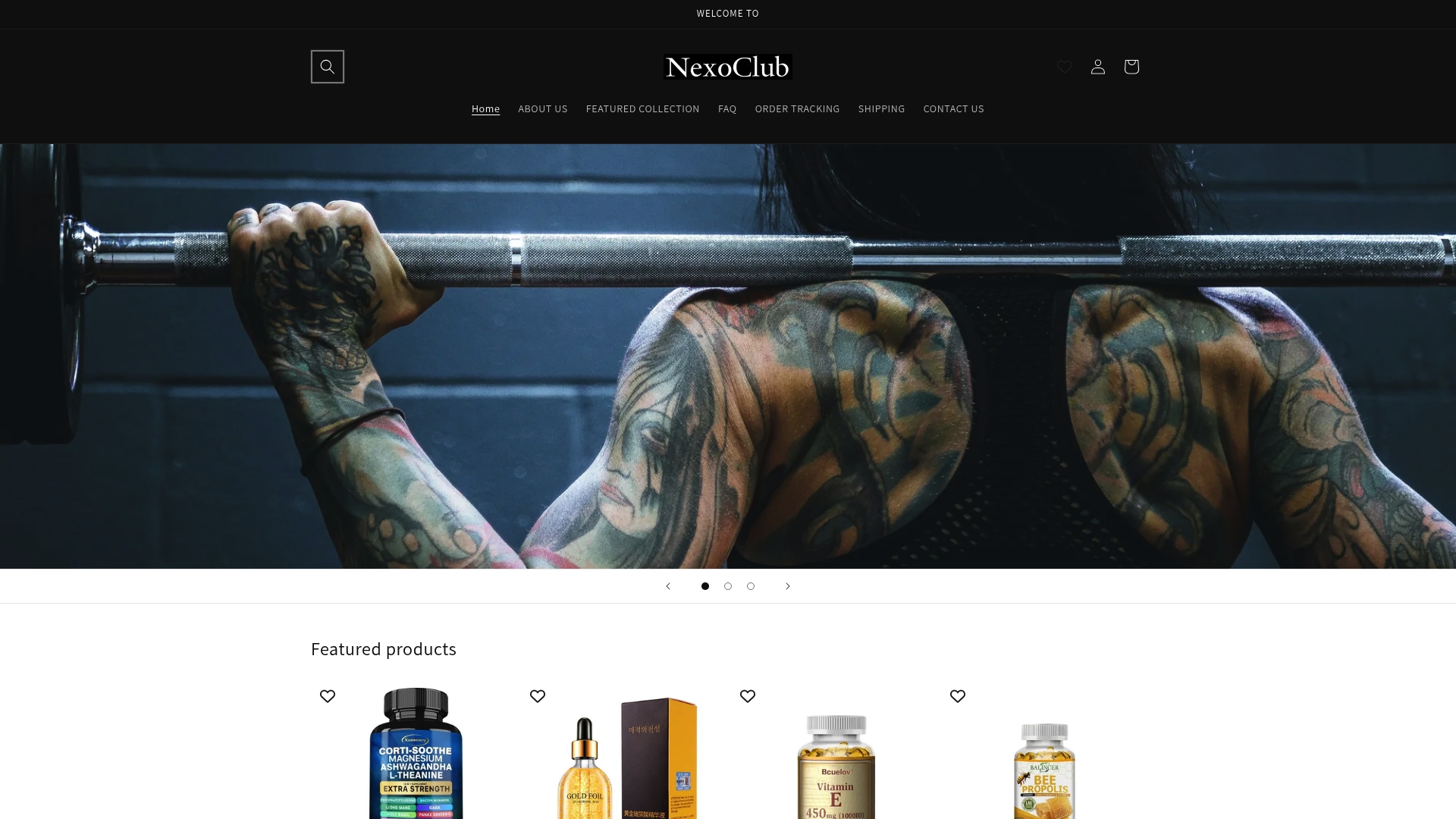
Nexoclub carries a curated selection of vitamin supplements and serums for people who want to address hair health from both inside and out. The Vitamin E 1000 IU supplement delivers 450 mg of antioxidant support per serving, directly targeting the oxidative stress that degrades scalp health over time. The 24K Gold Hyaluronic Acid Serum brings hydrating and firming properties to skin and scalp tissue. For systemic support, the Vitamin B12 5000 mcg supplement addresses the red blood cell production pathway that carries oxygen and nutrients to hair follicles.
All products are available through Nexoclub’s online store with detailed product descriptions, current pricing, and promotional offers. Browse the full wellness product range to find the combination that fits your hair care goals.
Key Takeaways
Hair vitamin serums deliver targeted nutrients to the scalp and hair strands, and their effectiveness depends on the right ingredients, consistent application, and realistic expectations about what topical products can achieve.
| Point | Details |
|---|---|
| Targeted delivery advantage | Topical serums apply vitamins directly to the scalp, bypassing the digestive system for more localized effect. |
| Most evidence-backed vitamins | Iron, Vitamin D, and Vitamin C have the strongest clinical support for hair health when deficiency is present. |
| Biotin caution | Biotin deficiency is extremely rare in healthy individuals; excess biotin can interfere with thyroid and hormone lab tests. |
| Application consistency | Most serums require 4–8 weeks of regular use before visible changes in texture, shine, or density appear. |
| Nexoclub options | Nexoclub’s Vitamin E 1000 IU, Vitamin B12 5000 mcg, and 24K Gold Hyaluronic Acid Serum support hair health from multiple angles. |
Recommended
- Bcuelov Vitamin E 1000 IU (450 mg) – Skin, Hair & Immune Health Suppor – NexoClub
- 24K Gold Hyaluronic Acid Face Serum – Hydrating, Firming & Brightening – NexoClub
- Vitamin B12 5000 mcg Supplement – Energy, Brain & Heart Health Support – NexoClub
- Top 6 Supplements for Emotional Balance Alternatives 2026 – NexoClub