

Dermatologist Recommended Supplements for Skin and Hair
Dermatologists most frequently recommend vitamin D, iron (when deficient), omega-3 fatty acids (EPA/DHA), vitamin C, collagen peptides, zinc, biotin (only for confirmed deficiency), polypodium leucotomos, probiotics, and niacinamide for skin and hair health. The single most important caveat: the American Academy of Dermatology advises that most healthy adults should meet nutrient needs through diet first, and that supplements are appropriate mainly when a clinician has documented a deficiency or a specific condition warrants them.
- Vitamin D: low levels are common and linked to hair shedding and skin barrier issues
- Iron (ferritin): deficiency is one of the most treatable causes of diffuse hair loss
- Omega-3 (EPA/DHA): anti-inflammatory; supports skin hydration and conditions like eczema
- Vitamin C: collagen synthesis support and iron absorption aid
- Collagen peptides: hydrolyzed forms show RCT-level support for skin elasticity and hydration
- Zinc: wound healing and sebum regulation; supplement only when deficient
- Biotin: deficiency is rare; supplement only with lab confirmation
- Polypodium leucotomos: oral photoprotection adjunct with clinical trial support
- Probiotics: gut-skin axis support for inflammatory conditions; strain matters
- Niacinamide: topical form is well-established; oral niacinamide has separate, emerging evidence
Ask your clinician for targeted lab tests before starting any supplement for skin or hair.
Table of Contents
- Do you actually need supplements for skin and hair?
- Dermatologist-recommended supplements: evidence, dose, and safety
- How strong is the evidence, and when do supplements actually help?
- How to pick a safe, high-quality supplement
- When should you see a dermatologist before supplementing?
- Key Takeaways
- The evidence gap most supplement shoppers miss
- Nexoclub’s curated supplement collection for skin and hair
- Useful sources and further reading
Do you actually need supplements for skin and hair?
Most healthy adults do not need dedicated beauty supplements. A varied, nutrient-dense diet covers the requirements for skin and hair in the majority of people. The AAD’s position is direct: get your nutrients from food unless a clinician documents a deficiency or a specific condition makes supplementation appropriate.
That said, certain situations make testing and targeted supplementation genuinely reasonable.
Common situations that justify lab testing:
- Unexplained diffuse hair shedding lasting more than three months
- Restrictive diets (vegan, very low-calorie, elimination diets)
- Heavy menstrual blood loss
- Gastrointestinal malabsorption conditions (celiac disease, Crohn’s, post-bariatric surgery)
- Limited sun exposure or northern latitude residence (vitamin D)
- Long-term use of medications that deplete specific nutrients
Practical next steps:
- Adjust diet toward anti-inflammatory patterns (Mediterranean-style, adequate protein, colorful produce) before reaching for a bottle.
- Request targeted labs: serum ferritin and iron studies, 25-OH vitamin D, complete blood count, and thyroid panel when hair loss is the primary concern.
- Bring results to a dermatologist or your primary care provider before starting supplements.
Pro Tip: Ask your doctor specifically for a serum ferritin level, not just a standard iron panel. Ferritin can be low enough to cause hair shedding even when hemoglobin looks normal, and many routine panels miss it.
Dermatologist-recommended supplements: evidence, dose, and safety
The table below covers each supplement dermatologists commonly cite, organized by what it does, how strong the evidence is, typical oral dose ranges, safety notes, and how long you might wait before seeing a change.

| Supplement | Best for | Typical oral dose range | Evidence strength | Main safety notes | Time to effect |
|---|---|---|---|---|---|
| Vitamin D | Hair cycling, skin barrier, immune regulation | dose to lab target | Good — RCTs and observational | Toxicity at very high doses; retest levels after 3 months | 3–6 months |
| Iron (ferritin) | Diffuse hair shedding in deficiency | Per clinician guidance based on ferritin level | Good for deficiency — RCT and clinical | GI upset; constipation; do not supplement without confirmed deficiency | 3–6 months |
| Omega-3 (EPA/DHA) | Skin hydration, eczema, inflammation | combined EPA/DHA/day | Moderate — multiple RCTs for skin | Blood-thinning effect; caution with anticoagulants | 8–12 weeks |
| Vitamin C | Collagen synthesis, iron absorption | — | Moderate — mechanistic + some RCTs | GI upset at high doses; kidney stones at very high intake | 8–12 weeks |
| Collagen peptides | Skin elasticity, hydration | 8–24 weeks | Moderate — multiple RCTs | Generally safe; sourcing and quality vary widely | 8–24 weeks |
| Zinc | Wound healing, acne, sebum control | 8–11 mg/day (RDA); up to 40 mg/day UL | Moderate for acne; limited for hair | Nausea; copper depletion at high doses; do not exceed UL without supervision | 8–12 weeks |
| Biotin | Hair/nail strength in confirmed deficiency | 30 mcg/day (RDA); higher only if deficient | Limited — deficiency is rare | Interferes with thyroid and troponin lab assays; stop several days before blood draws | 3–6 months |
| Polypodium leucotomos | Oral photoprotection adjunct | — | Moderate — clinical trials for UV protection | Generally safe; not a sunscreen replacement | 4–8 weeks |
| Probiotics | Eczema, acne, rosacea (adjunct) | Strain-dependent; 1 billion CFU typical | Moderate but strain-specific — varies by condition | Generally safe; immunocompromised individuals should consult a clinician | 4–12 weeks |
| Niacinamide (topical) | Skin barrier, hyperpigmentation, acne | Topical 2% concentration | Strong — multiple RCTs for topical use | Flushing rare at topical doses; avoid high-dose oral niacin for skin without supervision | 4–8 weeks |
| Niacinamide (oral) | Skin cancer prevention (adjunct, high-risk) | studied in high-risk patients | Moderate — specific RCT evidence | Differs from niacin; flushing less common; liver monitoring at high doses | 3–6 months |
Key safety flags to know:
- Biotin and lab interference: High-dose biotin supplements can produce falsely normal or falsely abnormal results on thyroid and cardiac troponin tests. Stop biotin at least 48–72 hours before any blood draw.
- Vitamin A toxicity: Over-supplementation with preformed vitamin A (retinol) can cause hair loss and reach toxic levels. Dermatologists warn against high-dose vitamin A unless prescribed and monitored.
- Pregnancy warnings: Avoid high-dose vitamin A (teratogenic), limit vitamin D supplementation to clinician-directed doses, and confirm all supplements with an OB or midwife before use.
- Iron without deficiency: Supplementing iron when ferritin is normal carries real risk of GI damage and oxidative stress. Always confirm deficiency first.
How strong is the evidence, and when do supplements actually help?
Only a handful of supplements in this category have moderate-to-good RCT-level support. Vitamin D and iron, when genuinely deficient, have the clearest clinical backing for hair-related outcomes, per ISHRS guidance. Collagen peptides have shown consistent positive results in skin elasticity and hydration trials running 8–24 weeks. Omega-3 fatty acids have RCT support for inflammatory skin conditions including eczema and psoriasis. Polypodium leucotomos has clinical trial data supporting its role as a UV-damage adjunct.
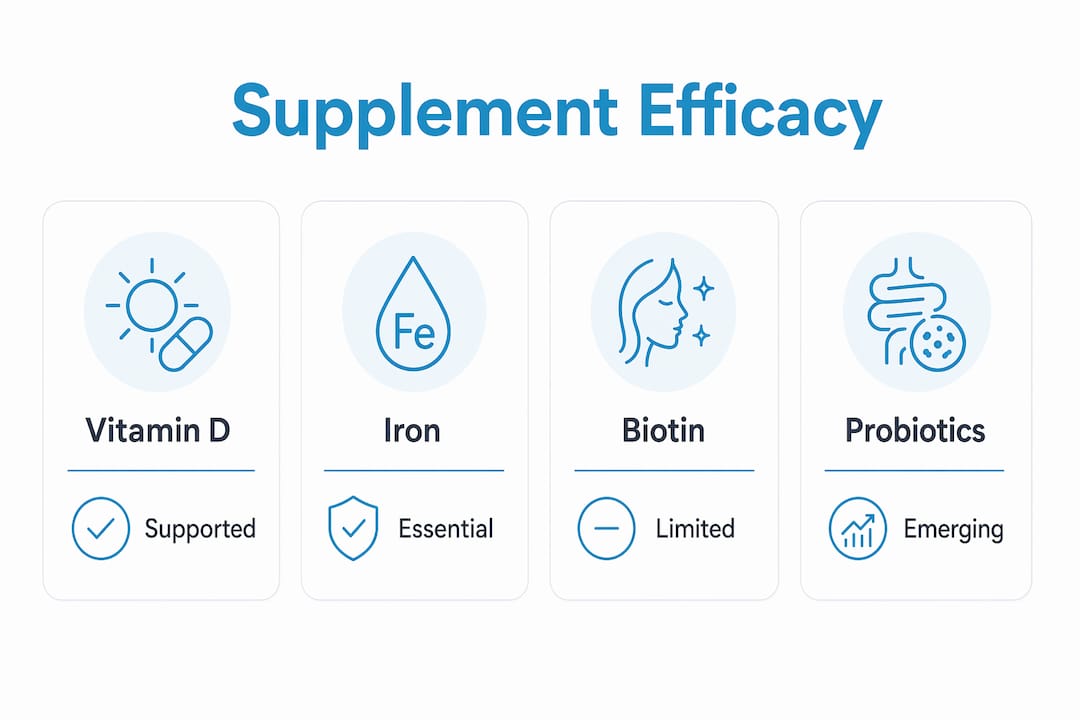
Biotin, despite its popularity, lacks strong evidence for hair growth in people who are not deficient. Deficiency severe enough to cause hair disease is rare in adults eating a varied diet. The same applies to most “hair, skin, and nails” blends: the individual ingredients may have some support, but the proprietary formulations rarely have independent trials behind them.
The AAD’s position is consistent: diet first, test before supplementing, and use supplements in a targeted way for diagnosed deficiencies or specific conditions such as alopecia areata, photosensitivity disorders, or inflammatory skin disease.
Timeline callout:
- Hair-shedding stabilization after correcting a deficiency: 3–6 months
- Visible skin hydration and elasticity improvements with collagen or omega-3s: 8–12 weeks
- Oral photoprotection effect with polypodium leucotomos: 4–8 weeks
- Topical niacinamide improvements in barrier and tone: 4–8 weeks
Dermatologists also note that hair loss often has hormonal or genetic causes. Supplements rarely replace medical therapies for pattern hair loss and work best as one part of a broader plan when a deficiency or inflammatory component is confirmed.
How to pick a safe, high-quality supplement
Look for third-party verification first. The U.S. supplement market is less regulated than pharmaceuticals, and the AAD explicitly advises favoring products with independent purity and potency testing. Seals from USP (U.S. Pharmacopeia), NSF International, or ConsumerLab indicate that a product has been tested for what it claims to contain and for common contaminants.
Shopping checklist:
- Third-party seal visible on label (USP, NSF, ConsumerLab)
- Exact ingredient amounts listed, not hidden in a “proprietary blend”
- Good Manufacturing Practice (GMP) statement from the manufacturer
- Clear allergen declarations
- Dose within established safe ranges (not mega-dosed beyond the tolerable upper intake level)
Red flags to avoid:
- Influencer-only endorsements with no published clinical data
- Proprietary “complexes” that list ingredients without amounts
- Doses that exceed the tolerable upper intake level without clinical justification
- No sourcing information or batch testing records available
Pro Tip: Ask the brand directly for a Certificate of Analysis (COA) for the specific batch you are buying. Dermatologists who recommend specific brands often cite COA availability as their first filter. If a company cannot or will not provide one, that tells you what you need to know.
When evaluating influencer skincare reviews, check whether the recommendation is backed by third-party testing or clinical evidence rather than personal experience alone. Pharmaceutical-grade or medical-grade supplements that publish COAs reduce the risk of contamination and dosage inconsistency common across the broader market.

When should you see a dermatologist before supplementing?
See a dermatologist promptly for sudden or severe hair loss, any scarring on the scalp, rapidly spreading rashes, or changes in hair and nail texture that are not explained by a recent dietary shift or acute stress. These presentations require clinical evaluation, not a supplement.
Tests a dermatologist may order:
- Serum ferritin and full iron studies
- Complete blood count (CBC)
- 25-OH vitamin D level
- Thyroid panel (TSH, free T4, sometimes T3)
- Hormone panel (androgens, DHEA-S) in select cases
- Scalp biopsy when scarring alopecia or an unclear diagnosis is suspected
What to bring to your appointment:
- A written timeline of when symptoms started and how they have changed
- Photos of hair shedding or scalp changes (taken over several weeks if possible)
- A complete list of current medications and supplements, including doses
- Any recent lab results, even from a primary care visit
- Notes on diet changes, stressors, or illnesses in the months before symptoms began
Stopping high-dose biotin at least 48–72 hours before any blood draw is worth mentioning to your dermatologist, since it can skew thyroid and cardiac lab results.
Key Takeaways
Diet and confirmed deficiency status should drive every supplement decision for skin and hair, with third-party-tested products and clinician guidance as the non-negotiable baseline.
| Point | Details |
|---|---|
| Diet comes first | The AAD recommends meeting nutrient needs through food; supplements are for documented deficiencies or specific conditions. |
| Test before you supplement | Request serum ferritin, 25-OH vitamin D, and a CBC before starting iron or vitamin D for hair or skin concerns. |
| Strongest evidence | Vitamin D and iron (when deficient), collagen peptides, omega-3s, and polypodium leucotomos have the best RCT-level support. |
| Biotin caution | Biotin deficiency is rare; high doses interfere with thyroid and troponin lab tests — stop 48–72 hours before blood draws. |
| Nexoclub’s curated options | Nexoclub’s supplements and nutrition collection features third-party-tested products for skin and hair support. |
The evidence gap most supplement shoppers miss
The supplement industry’s marketing often runs well ahead of its clinical evidence. Most “hair, skin, and nails” blends on store shelves have never been tested as a formulation in a controlled trial. The individual ingredients may have some published data, but combining them in proprietary ratios, at doses chosen for cost rather than efficacy, produces a product that is genuinely untested. That is not a regulatory failure unique to small brands; it applies across the market.
What dermatologists actually do in practice is narrower and more targeted than the supplement aisle suggests. They look for a specific deficiency, a specific condition, and a specific intervention with at least some clinical backing. Vitamin D for a patient with a confirmed low level and diffuse shedding. Iron for a woman with heavy periods and a ferritin below 30 ng/mL. Polypodium leucotomos for a patient with photosensitivity who needs an adjunct to sunscreen. That precision is the part that gets lost when supplements are marketed as general wellness products for everyone.
The gut-skin axis is one area where the science is genuinely developing. Specific probiotic strains, particularly Lactobacillus species, have shown measurable effects on UV damage limitation and skin sensitivity in controlled settings. But “probiotic” on a label means almost nothing without strain identification and a dose that matches what was studied. Generic multi-strain products at low CFU counts are not the same as the interventions in those trials.
The practical takeaway: a short, targeted supplement list chosen with a clinician, from a brand with a COA, at a dose that matches clinical evidence, will outperform any broad “beauty blend” every time.
Nexoclub’s curated supplement collection for skin and hair
Nexoclub offers a vetted selection of supplements and skincare products specifically chosen for quality, ingredient transparency, and relevance to skin and hair health. The supplements and nutrition collection includes options across the key categories dermatologists most commonly discuss: vitamin D, omega-3s, antioxidant support, and collagen-adjacent formulas. For readers who also want topical support alongside oral supplementation, the skincare and personal care collection includes serums and skin-supportive products that complement an evidence-based supplement routine.
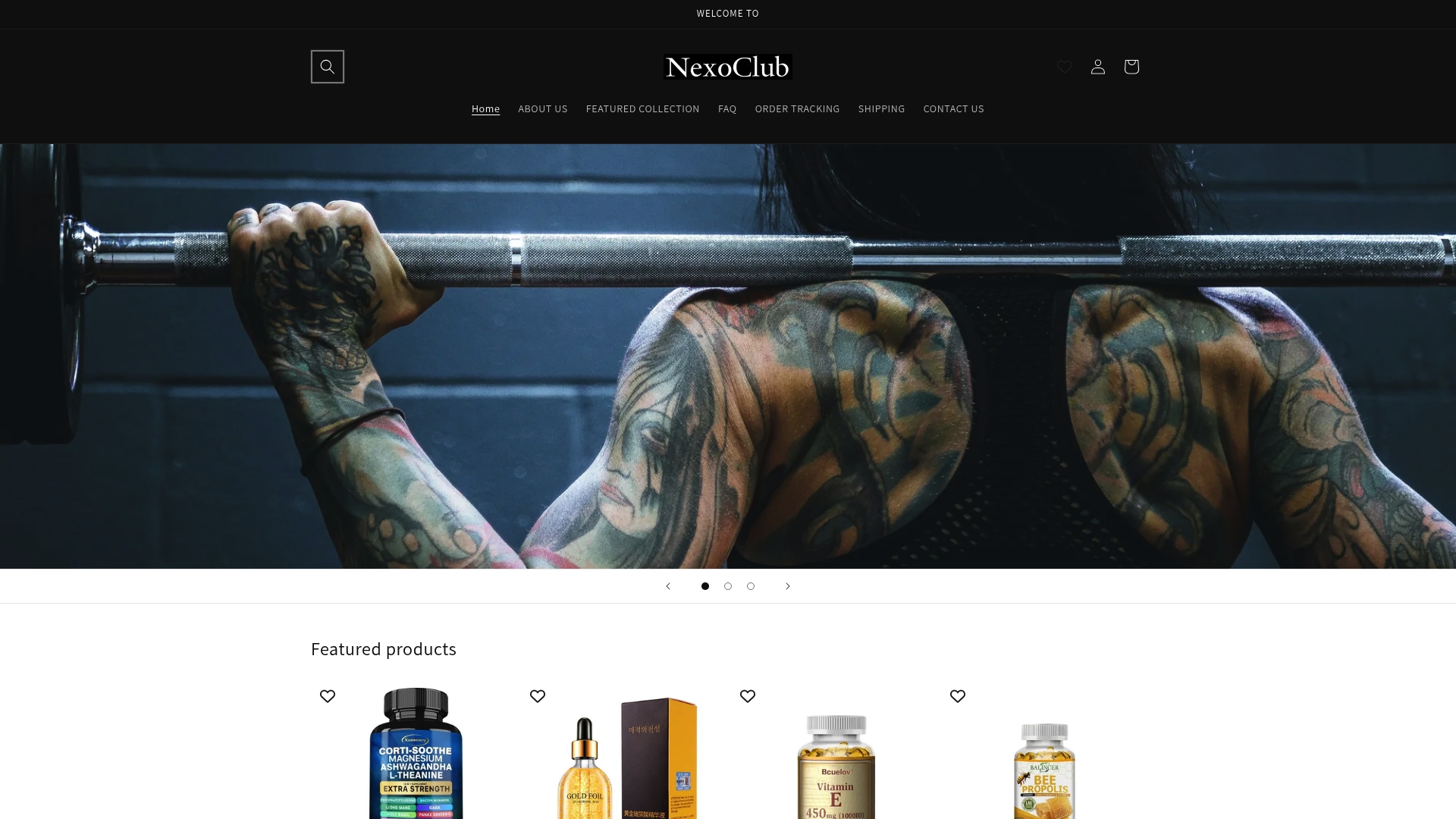
Every product listing on Nexoclub includes detailed ingredient information and dosing so you can compare what you are buying against the clinical dose ranges covered in this article. This article is general health information, not medical advice. Confirm your supplement choices and doses with your dermatologist or primary care provider before starting. Browse the full supplement catalog and bring your shortlist to your next clinical appointment.
Useful sources and further reading
The following sources were used to compile this article. Each is worth bookmarking for deeper reading or for sharing with your clinician.
- American Academy of Dermatology — Supplements for Skin: The AAD’s patient-facing guidance on when supplements are and are not appropriate; the authoritative U.S. dermatology position on diet-first care.
- ISHRS — Vitamins and Minerals for Hair Growth: Hair-specialist guidance on which nutrients have evidence for hair loss, with specific notes on biotin lab interference and the primacy of iron and vitamin D.
- VA Whole Health Library — Supplements for Skin Health: A clinician-authored overview covering omega-3s, probiotics, collagen, carotenoids, and flavonoids with references to primary literature.
- NIH Office of Dietary Supplements — Biotin: Consumer fact sheet on biotin’s role, dietary sources, deficiency rarity, and safety considerations.
- NIH Office of Dietary Supplements — Omega-3 Fatty Acids: Authoritative consumer reference on EPA/DHA dosing, food sources, and safety.
- NIH Office of Dietary Supplements — Vitamin D: Dosing ranges, tolerable upper intake levels, and deficiency risk factors for vitamin D.
- NIH Office of Dietary Supplements — Vitamin C: Collagen synthesis role, recommended intakes, and upper intake level for ascorbic acid.
- SkinCare Physicians — Guide to Supplements for Healthy Skin: Dermatologist-authored overview of collagen, probiotics, and antioxidant supplements with clinical context.