

Strong Antioxidant Supplements: Evidence-Ranked Picks
The strongest antioxidant supplements by clinical evidence are vitamin C, vitamin E, beta-carotene, glutathione, alpha-lipoic acid (ALA), N-acetyl-L-cysteine (NAC), resveratrol, Coenzyme Q10 (CoQ10), and EGCG from green tea extract. Diet remains the primary source; supplements show measurable benefit mainly in specific clinical contexts, and high doses carry documented risks.
Quick reference:
- Glutathione — intracellular redox balance and cellular detox support
- Resveratrol — polyphenol with longevity-signaling and cardiovascular research interest
- EGCG — potent catechin from green tea; broad antioxidant enzyme support
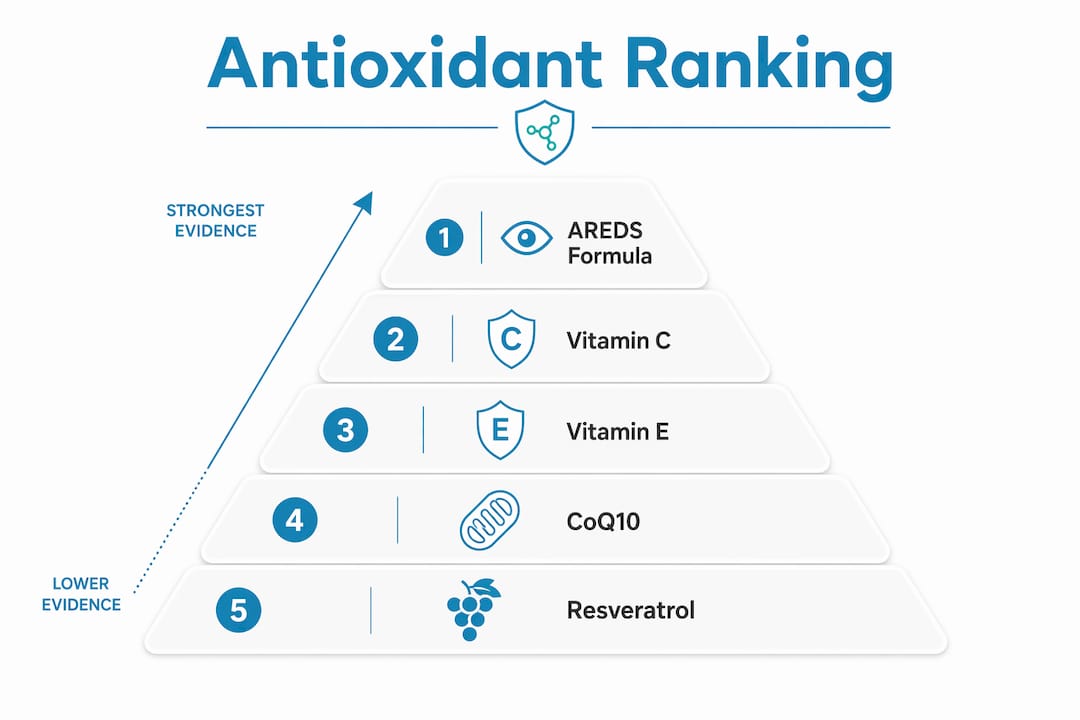
- AREDS formula (vitamin C + E + beta-carotene/lutein + zinc) — the clearest supplement benefit on record, for intermediate AMD
TL;DR: Choose products with USP or NSF third-party testing, match the supplement to a specific evidence-backed goal, and start at the lower end of the dose range.
Table of Contents
- 1. Vitamin C (ascorbic acid)
- 2. Vitamin E (tocopherols and tocotrienols)
- 3. Beta-carotene and carotenoids
- 4. Glutathione
- 5. Alpha-lipoic acid (ALA)
- 6. N-acetyl-L-cysteine (NAC)
- 7. Resveratrol
- 8. Coenzyme Q10 (CoQ10)
- 9. EGCG (green tea extract)
- How antioxidants work in the body
- What the research shows about antioxidant supplement benefits
- Safety risks and drug interactions you need to know
- Why whole foods come first, and when supplements make sense
- How to choose a supplement and what doses to look for
- What formulation research shows about absorption and real-world efficacy
- Key Takeaways
- The case for selective, not blanket, supplementation
- Nexoclub’s curated antioxidant supplement selection
- Useful sources and further reading
1. Vitamin C (ascorbic acid)
Mechanism: Water-soluble free-radical scavenger; regenerates vitamin E and supports collagen synthesis. Evidence level: Strong for deficiency correction; limited for disease prevention via supplementation. Best for: Immune support, iron absorption, skin health, and as a foundational antioxidant in any stack. Typical dose: 500–1,000 mg daily in divided doses; sodium ascorbate or liposomal forms reduce GI irritation at higher intakes. Safety: Doses above 2,000 mg/day can cause diarrhea and kidney stone risk in susceptible individuals. High-dose IV vitamin C during chemotherapy requires oncologist clearance.
2. Vitamin E (tocopherols and tocotrienols)
Mechanism: Fat-soluble chain-breaking antioxidant in cell membranes; works synergistically with vitamin C in the redox cycle. Evidence level: Strong for deficiency; limited for chronic disease prevention; some trials show harm at high doses. Best for: Membrane protection, skin health, and immune function. The Bcuelov Vitamin E 1000 IU product page lists skin, hair, and immune support as primary uses. Typical dose: 100–400 IU daily as d-alpha-tocopherol (natural form); mixed tocopherols are preferred over synthetic dl-alpha. Safety: High-dose vitamin E is linked to bleeding risk and possible increased mortality in some trials. Avoid doses above 400 IU without clinical guidance, especially on anticoagulants.
3. Beta-carotene and carotenoids
Mechanism: Provitamin A carotenoid; quenches singlet oxygen and converts to retinol as needed. Lutein and zeaxanthin concentrate in the macula and lens. Evidence level: Strong within the AREDS formula for AMD; insufficient for general cancer or CVD prevention; harmful in specific populations. Best for: Eye health (as part of the AREDS formula), skin protection from UV oxidative stress. Typical dose: 6–15 mg beta-carotene in AREDS-type formulas; lutein 10 mg + zeaxanthin 2 mg as the AREDS2 safer alternative. Safety: Beta-carotene supplements significantly increased lung cancer risk in smokers in the CARET and ATBC trials. Smokers and recent ex-smokers should avoid isolated beta-carotene supplements entirely. Carotenoids from food carry no such risk.
Population note: Vitamin C, vitamin E, and carotenoids are the principal micronutrient antioxidants in human nutrition and thus the most studied of the group.
4. Glutathione
Mechanism: The body’s master intracellular antioxidant; a tripeptide (glutamate, cysteine, glycine) that directly neutralizes reactive oxygen species and regenerates vitamins C and E. Evidence level: Limited for oral supplementation due to poor bioavailability of standard capsules; stronger for IV or liposomal forms in clinical settings. Best for: Cellular detox support, liver health, and as a target for NAC supplementation (which raises glutathione more reliably than direct oral glutathione). Typical dose: 250–500 mg liposomal glutathione daily; reduced (GSH) form preferred over oxidized (GSSG). Safety: Generally well-tolerated at typical doses. Long-term high-dose use has limited safety data; avoid during chemotherapy without oncologist approval.
Formulation note: Liposomal delivery substantially improves absorption compared to standard capsules, making it the preferred form when direct glutathione supplementation is the goal.
5. Alpha-lipoic acid (ALA)
Mechanism: Both water- and fat-soluble; regenerates vitamins C and E and glutathione. Works in mitochondria and cytoplasm, giving it broad cellular reach. Evidence level: Moderate for diabetic peripheral neuropathy; limited for weight management and general antioxidant use. Best for: Blood sugar metabolism support, neuropathy symptom management, and mitochondrial antioxidant coverage. Typical dose: 300–600 mg daily; R-ALA (the biologically active isomer) is more potent per milligram than racemic ALA. Safety: Can lower blood glucose; people on diabetes medications should monitor closely. Rare reports of insulin autoimmune syndrome at very high doses.
6. N-acetyl-L-cysteine (NAC)
Mechanism: Precursor to cysteine, the rate-limiting amino acid for glutathione synthesis. Also acts as a direct mucolytic and antioxidant. Evidence level: Strong for acetaminophen overdose treatment and mucolytic use; moderate for liver support and respiratory conditions; limited for general antioxidant supplementation. Best for: Glutathione replenishment, respiratory health, liver support, and as a complement to glutathione-focused protocols. Typical dose: 600–1,200 mg daily in divided doses; N-acetylcysteine effervescent tablets improve dissolution and absorption. Safety: Generally safe at standard doses. High doses can cause nausea and GI upset. FDA has raised questions about NAC’s status as a dietary supplement; check current regulatory standing before purchasing.
7. Resveratrol
Mechanism: Polyphenol stilbene found in grape skins and berries; activates sirtuin pathways (SIRT1) and Nrf2, the master regulator of endogenous antioxidant gene expression. Evidence level: Limited in humans; strong mechanistic data in vitro and animal models; human RCT results are mixed. Best for: Longevity signaling research interest, cardiovascular health exploration, and combination with NAD+ precursors. Nexoclub’s NAD+ Booster with Resveratrol pairs resveratrol with NAD+ support for cellular energy and healthy aging. Typical dose: 100–500 mg daily; trans-resveratrol is the active form. Bioavailability is low without absorption enhancers. Safety: Well-tolerated at typical doses. May interact with anticoagulants and CYP450-metabolized drugs. Avoid high doses during pregnancy.
8. Coenzyme Q10 (CoQ10)
Mechanism: Fat-soluble quinone in the mitochondrial electron transport chain; both an antioxidant and an energy cofactor. Ubiquinol (reduced form) is the active antioxidant species. Evidence level: Moderate for heart failure symptom management; limited for general cardiovascular prevention; strong evidence for statin-induced CoQ10 depletion. Best for: Mitochondrial energy support, heart health, and offsetting CoQ10 depletion from statin medications. Typical dose: 100–300 mg daily; ubiquinol absorbs better than ubiquinone, especially in older adults. Safety: Well-tolerated. May slightly lower blood pressure; monitor if on antihypertensives. Possible interaction with warfarin.
9. EGCG (green tea extract)
Mechanism: Epigallocatechin gallate, the primary catechin in green tea; scavenges free radicals, supports Nrf2 activation, and inhibits pro-oxidant enzymes. Evidence level: Limited for disease prevention in humans; strong mechanistic data; some positive signals for metabolic health in short-term trials. Best for: Metabolic support, cognitive health research interest, and as part of powerful antioxidant blends targeting multiple pathways. Typical dose: 200–400 mg EGCG daily, standardized to at least 45% catechins. Safety: Liver toxicity has been reported with concentrated green tea extracts at high doses. Take with food and stay within label doses. Avoid during pregnancy and while on chemotherapy without medical clearance.
How antioxidants work in the body
Antioxidants neutralize reactive oxygen species (ROS) and support redox homeostasis, the balance between oxidant production and antioxidant defense. Free radicals form continuously as byproducts of normal metabolism, immune activity, and environmental exposures like UV radiation and air pollution. Left unchecked, they damage DNA, proteins, and cell membranes through a chain reaction called oxidative stress.
Antioxidants interrupt this chain through three main routes. First, direct radical scavenging: a molecule like vitamin C donates an electron to a free radical, neutralizing it. Second, enzyme support: compounds like ALA and NAC feed into enzymatic systems including superoxide dismutase (SOD), catalase, and glutathione peroxidase. Third, regeneration cycles: vitamin C reduces oxidized vitamin E back to its active form; glutathione regenerates both. This network means antioxidants rarely work in isolation.
The body produces its own antioxidants, including glutathione, SOD, and catalase. Supplements interact with these endogenous systems rather than replacing them. Flooding the system with isolated antioxidants at high doses can actually disrupt redox signaling, which is one reason why more is not always better.
What the research shows about antioxidant supplement benefits
Dietary antioxidants show clear population-level benefits; supplements show condition-specific effects, with the strongest evidence concentrated in the AREDS formula for intermediate age-related macular degeneration.
The AREDS combination formula reduced progression to advanced AMD by about 25% in people with intermediate AMD. That is the clearest, most replicated benefit in the supplement literature. AREDS2 refined the formula by replacing beta-carotene with lutein and zeaxanthin, removing the lung cancer risk for smokers while maintaining the protective effect.
For cancer prevention, large randomized trials have not shown consistent benefit from antioxidant supplements, and some have shown harm. For cardiovascular disease, observational data from a 2017 review of 95 studies covering over 2 million participants links higher fruit and vegetable intake to lower CVD and cancer risk. Supplement trials have not replicated that benefit reliably. Cognitive decline research shows some small signals from specific nutrients, but no supplement has demonstrated consistent prevention of dementia in controlled trials.
| Condition | Evidence level | Key trial or review |
|---|---|---|
| Age-related macular degeneration (AMD) | Strong (intermediate AMD) | AREDS, AREDS2 (NEI) |
| Cancer prevention | Insufficient | CARET, ATBC, Cochrane reviews |
| Cardiovascular disease | Limited (diet); insufficient (supplements) | 95-study observational review (NCCIH) |
| Cognitive decline | Limited | Various small RCTs; no consistent signal |
The pattern across conditions is consistent: NCCIH guidance states that supplements generally do not prevent most chronic diseases, and that dietary intake of fruits and vegetables remains the strongest public-health signal.
Safety risks and drug interactions you need to know
Antioxidant supplements can cause harm at high doses or when combined with certain treatments. The risks are not theoretical. Beta-carotene supplements increased lung cancer incidence in smokers in two large randomized trials (CARET and ATBC). High-dose vitamin E has been linked to bleeding risk and, in some meta-analyses, to modestly increased all-cause mortality.
Key interaction and risk checklist:
- Chemotherapy and radiation: High-dose antioxidants may reduce treatment efficacy by protecting cancer cells from oxidative damage. Avoid unless specifically cleared by the oncology team.
- Anticoagulants (warfarin, aspirin): Vitamin E, CoQ10, and resveratrol can alter bleeding time. Monitor INR closely.
- Blood pressure medications: CoQ10 and ALA can lower blood pressure; additive effects are possible.
- Iron metabolism: High-dose vitamin C increases non-heme iron absorption, which can be problematic in people with hemochromatosis or iron overload conditions. See plant-based iron supplement interactions for context on vitamin C and iron dynamics.
- Smokers: Avoid isolated beta-carotene supplements. Period.
- Pregnancy: Avoid high-dose vitamin A (from beta-carotene conversion), high-dose vitamin E, and concentrated EGCG. Consult an OB-GYN before any antioxidant supplement.
- Elderly: Lower renal clearance increases sensitivity to high doses; start at the lower end of any dose range.
Pro Tip: Stop antioxidant supplements at least two weeks before elective surgery or before starting chemotherapy, unless the treating clinician explicitly approves continued use. This is a standard precaution, not an overreaction.
Why whole foods come first, and when supplements make sense
Whole foods first. Fruits, vegetables, nuts, and spices provide complex antioxidant matrices that observational research consistently links to lower chronic disease risk. A supplement delivers one or a few isolated compounds; a handful of blueberries delivers hundreds of interacting phytochemicals.
An analysis of over 3,100 foods found spices, herbs, and certain berries among the highest antioxidant sources by total antioxidant content. Cloves, dried oregano, and ground turmeric outrank most single-ingredient supplements on a per-gram basis. Wild blueberries, artichokes, and dark chocolate also rank high. No capsule replicates that complexity.
Food also delivers synergistic effects that isolated compounds cannot. Ellagitannins in pomegranates and walnuts are converted by gut bacteria into urolithins, which have mitochondrial and anti-inflammatory effects that the parent compound lacks. This gut microbiome conversion explains why whole-food studies often outperform isolated-extract trials.
Scenarios where supplementation is reasonable:
- Documented deficiency (e.g., low plasma vitamin C in a smoker or person with limited fruit intake)
- Intermediate AMD, where the AREDS formula has clear clinical support
- Statin use, where CoQ10 depletion is a documented pharmacological effect
- Diabetic neuropathy, where ALA has moderate clinical evidence
- Severely restricted diet (e.g., very low calorie, highly processed food intake)
How to choose a supplement and what doses to look for
The selection process starts with the goal, not the label. Match the supplement to a specific evidence-backed use, then verify the product meets quality standards before buying.
Selection checklist:
- Third-party testing: Look for USP Verified, NSF Certified for Sport, or Informed Sport logos. These confirm label accuracy and absence of contaminants.
- Ingredient transparency: Avoid proprietary blends that list ingredients without individual amounts. You cannot assess dose or safety without knowing how much of each ingredient is present.
- Bioavailability form: Check whether the product uses the more bioavailable form (ubiquinol vs. ubiquinone for CoQ10; R-ALA vs. racemic ALA; liposomal glutathione vs. standard capsule).
- Absorption enhancers: Piperine (BioPerine®) and liposomal delivery can improve uptake of poorly absorbed polyphenols. Multi-polyphenol blends combining catechins, curcuminoids, quercetin, and silymarin target multiple antioxidant pathways simultaneously.
- Red flags: Extremely high single-nutrient doses with no clinical rationale, added stimulants in an antioxidant formula, and vague “antioxidant blend” labels with no amounts.
Dose reference table:
| Supplement | Typical supplemental dose | Preferred form | Key safety note |
|---|---|---|---|
| Vitamin C | 500–1,000 mg/day | Sodium ascorbate or liposomal | >2,000 mg/day: GI and kidney risk |
| Vitamin E | 100–400 IU/day | d-alpha-tocopherol (natural) | Avoid >400 IU; bleeding risk |
| Beta-carotene | 6–15 mg/day (AREDS only) | Mixed carotenoids | Contraindicated in smokers |
| Glutathione | 250–500 mg/day | Liposomal (reduced/GSH) | Limited long-term data |
| ALA | 300–600 mg/day | R-ALA preferred | Monitor blood glucose |
| NAC | 600–1,200 mg/day | Effervescent or capsule | Check current FDA status |
| Resveratrol | 100–500 mg/day | Trans-resveratrol | Low bioavailability without enhancers |
| CoQ10 | 100–300 mg/day | Ubiquinol | Monitor BP; warfarin interaction |
| EGCG | 200–400 mg/day | Standardized extract (≥45% catechins) | Liver risk at high doses; take with food |
Practical flow: Identify your goal → find the supplement with matching evidence → confirm third-party testing → start at the lower dose and monitor for four to eight weeks before adjusting.
What formulation research shows about absorption and real-world efficacy
Delivery technology matters more for some antioxidants than others. The gap between what a label claims and what reaches your cells depends heavily on the form used.
Delivery approaches with evidence notes:
- Liposomal vitamin C: Encapsulating ascorbic acid in phospholipid vesicles improves plasma levels compared to standard oral forms, particularly at higher doses where intestinal absorption becomes saturated.
- Liposomal glutathione: Standard oral glutathione is largely degraded in the gut. Liposomal encapsulation bypasses this, producing measurable increases in whole-blood glutathione levels in clinical studies.
- Ubiquinol (reduced CoQ10): Older adults absorb ubiquinol more efficiently than ubiquinone; the difference becomes clinically relevant above age 50.
- R-ALA vs. racemic ALA: R-ALA is the naturally occurring, biologically active isomer and is more potent per milligram than the synthetic racemic mixture found in most budget products.
- Piperine/BioPerine® for polyphenols: One product formulation cites up to 60% improved absorption for specific polyphenols when combined with BioPerine®. This is a vendor claim, but the underlying mechanism (piperine inhibiting intestinal glucuronidation) is supported by pharmacokinetic research.
- Trans-resveratrol with absorption enhancers: Plain resveratrol has low and variable bioavailability. Formulations pairing trans-resveratrol with piperine or using micronized particles show higher plasma concentrations in pharmacokinetic studies.
When formulation matters most: polyphenols like resveratrol and curcumin, fat-soluble antioxidants like CoQ10 and vitamin E, and glutathione. When it matters less: water-soluble vitamins like vitamin C at typical oral doses (500–1,000 mg), where standard capsules and tablets perform comparably to premium forms.
Key Takeaways
The strongest evidence for antioxidant supplementation is condition-specific: the AREDS formula for intermediate AMD, CoQ10 for statin users, and ALA for diabetic neuropathy, with whole-food dietary patterns outperforming isolated supplements for general chronic disease prevention.
| Point | Details |
|---|---|
| Diet comes first | Fruits, vegetables, and spices deliver complex antioxidant matrices that supplement trials consistently fail to replicate. |
| AREDS formula for AMD | The AREDS combination reduced progression to advanced AMD by about 25% in people with intermediate AMD. |
| High-dose risks are real | Beta-carotene raises lung cancer risk in smokers; high-dose vitamin E carries bleeding and mortality concerns. |
| Verify third-party testing | USP or NSF certification confirms label accuracy and purity before you buy any antioxidant supplement. |
| Nexoclub for vetted options | Nexoclub’s curated supplement category lists products with full ingredient transparency and dosing details for informed selection. |
The case for selective, not blanket, supplementation
The antioxidant supplement category is one of the most marketed in health retail, and the gap between marketing claims and clinical evidence is wide. The AREDS data is real and meaningful. The beta-carotene harm in smokers is equally real. What gets lost in most coverage is that these two facts coexist: the same class of compounds can protect one population and harm another, depending on dose, form, and individual context.
The practical implication is that a blanket “antioxidants are good” or “antioxidants are overhyped” framing both miss the point. The question worth asking is not “should I take antioxidants?” but “which antioxidant, at what dose, for what specific goal, and does the evidence support it for someone in my situation?” That framing is more demanding, but it is the only one that produces useful answers.
Diet remains the foundation. Supplementation is a targeted tool, not a daily insurance policy. When the goal is specific, the evidence is there, and the product is third-party tested, supplementation makes sense. When the goal is vague and the evidence is thin, the money is better spent on better food.
Nexoclub’s curated antioxidant supplement selection
Readers who have identified a specific supplementation goal can browse Nexoclub’s Supplements & Nutrition collection, which lists antioxidant supplements with full ingredient transparency, supplement facts panels, and dosing details. Each product page includes the form, dose per serving, and third-party testing information where applicable.
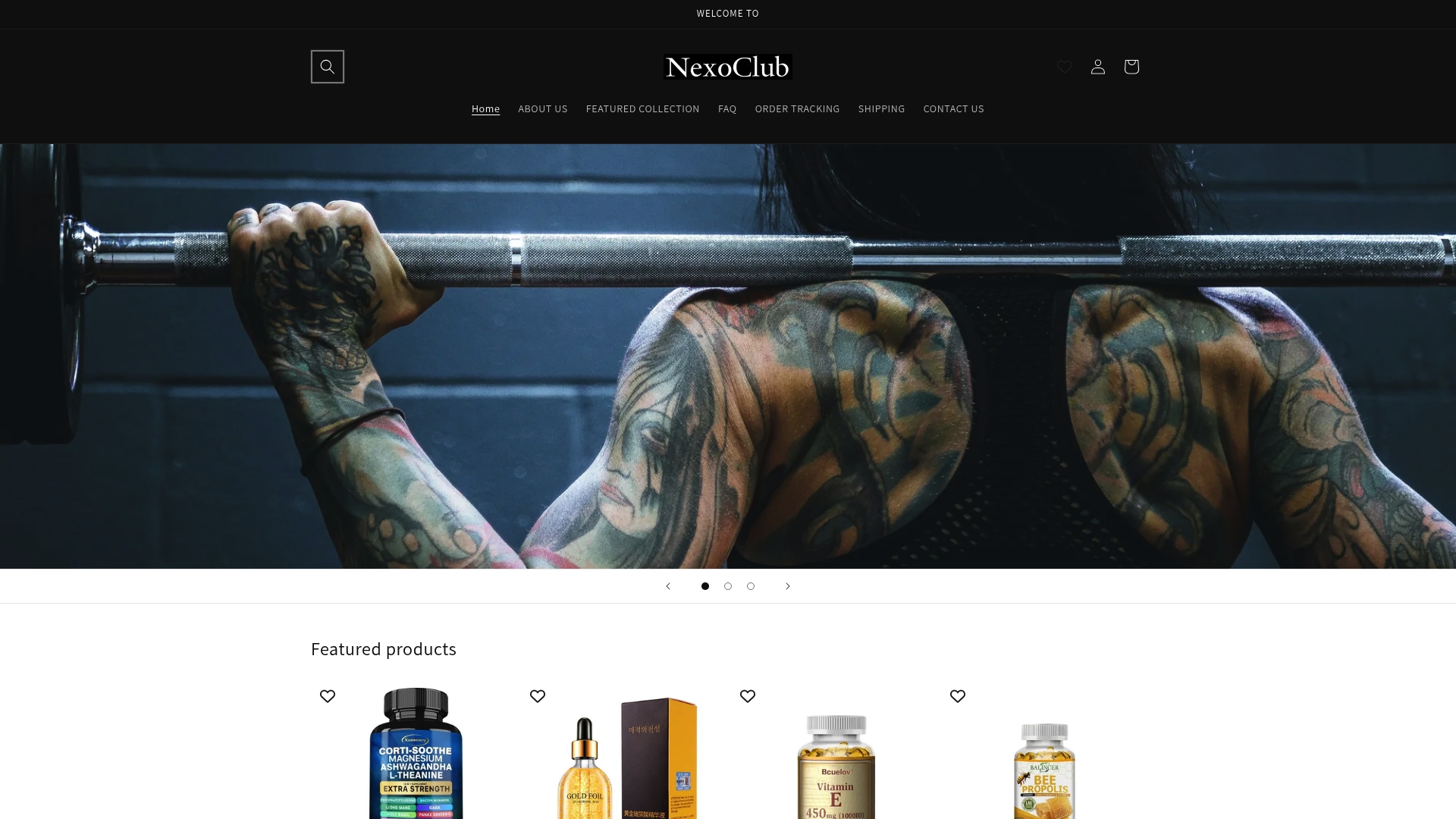
For resveratrol specifically, the NAD+ Booster with Resveratrol combines trans-resveratrol with NAD+ support in a single formula, with clear labeling of each ingredient amount. When reviewing any product on the site, check the supplement facts panel for individual ingredient doses, look for a third-party testing logo, and confirm the form matches the evidence-backed version covered in this article.
Disclosure: Nexoclub is the publisher of this article and sells the supplements referenced above.
Useful sources and further reading
- NCCIH — Antioxidant Supplements: What You Need To Know: The primary U.S. government guidance on antioxidant supplements. Covers evidence for chronic disease prevention, safety warnings for beta-carotene and vitamin E, and the food-first recommendation.
- National Eye Institute — AREDS Summary: The authoritative source for the AREDS and AREDS2 findings, including the 25% AMD progression reduction and the switch from beta-carotene to lutein/zeaxanthin.
- Harvard T.H. Chan School of Public Health — The Nutrition Source: Antioxidants: Accessible, evidence-grounded overview of dietary antioxidants, food sources, and the limits of supplementation.
- Free Radicals, Antioxidants and Functional Foods (PMC3249911): Peer-reviewed review identifying vitamin C, vitamin E, and carotenoids as the principal micronutrient antioxidants in human nutrition.
- Total Antioxidant Content of 3,100+ Foods (PMC2841576): The large food antioxidant database study showing spices, herbs, and berries as the highest whole-food sources.