

Acne Serum Ingredients: What to Look for and Why
Blackheads and clogged pores respond best to salicylic acid’s oil-soluble exfoliation. Inflammatory papules and pustules call for benzoyl peroxide or adapalene. Post-acne marks and redness respond to niacinamide and azelaic acid. Zinc and sulfur round out the antimicrobial and sebum-regulating options.
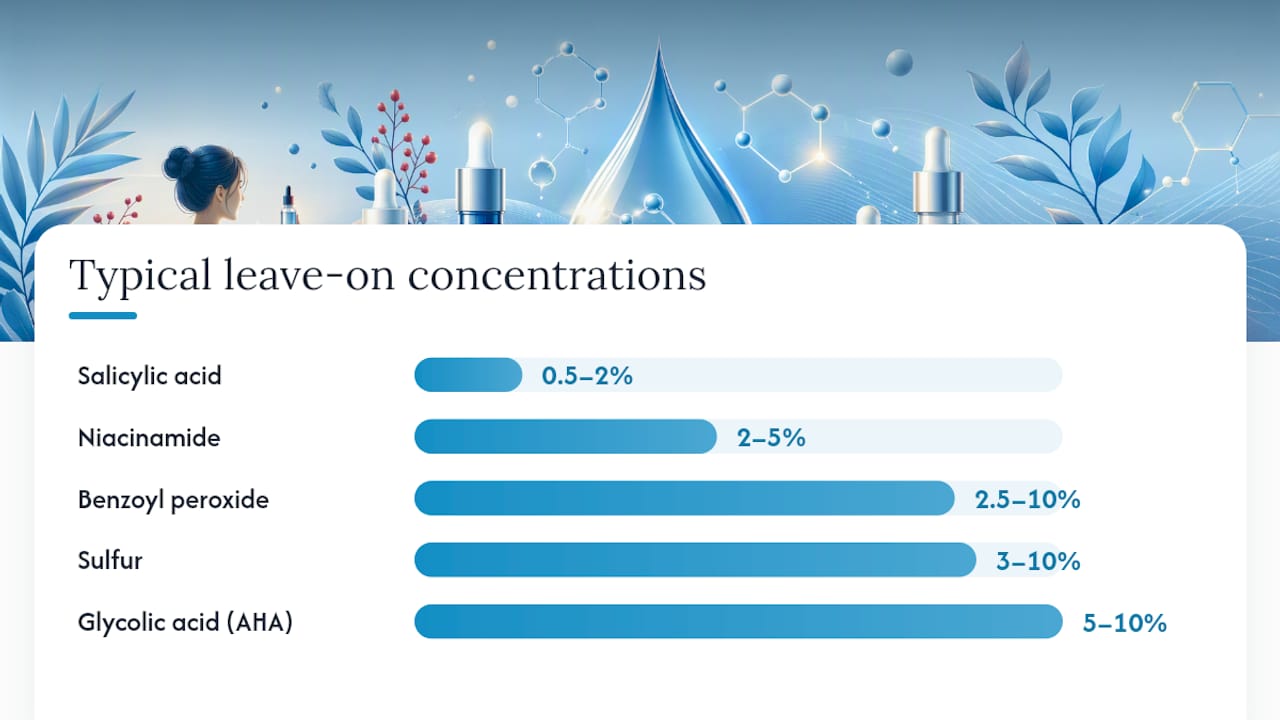
- Salicylic acid (BHA), 0.5–2% leave-on: Oil-soluble; penetrates follicles to dissolve plugs. Best for comedones and blackheads.
- Benzoyl peroxide, 2.5–10% OTC: Kills C. acnes bacteria directly. Best for inflammatory lesions.
- Adapalene 0.1% OTC (retinoid): Normalizes cell turnover; prevents new comedones. Available without a prescription.
- Niacinamide, 2–5%: Reduces redness, regulates sebum, supports the skin barrier. Pairs well with most actives.
- Azelaic acid: Anti-inflammatory and mildly keratolytic; useful for both active lesions and post-inflammatory hyperpigmentation (PIH).
- Zinc compounds and sulfur: Antimicrobial and sebum-regulating; gentler options for sensitive skin or maintenance.
- AHAs (glycolic, lactic acid): Water-soluble surface exfoliants; secondary role in acne serums, more relevant for PIH and texture.
Key Takeaways
| Point | Details |
|---|---|
| Match active to acne type | Salicylic acid for comedones; benzoyl peroxide or adapalene for inflammatory lesions; niacinamide for redness and barrier support. |
| OTC concentration anchors | Salicylic acid 0.5–2% leave-on; benzoyl peroxide 2.5–10%; adapalene 0.1%; niacinamide 2–5%. |
| Timeline for results | Texture changes may appear at 1–2 weeks; meaningful lesion reduction typically takes 4–8 weeks; full response at 8 weeks. |
| Read the Drug Facts panel | OTC acne serums must list the active and its percentage separately from inactives; no Drug Facts panel means no legal acne treatment claim. |
| Nexoclub for ingredient-clear serums | Nexoclub’s skincare category stocks products with stated active concentrations and INCI-transparent labeling for informed selection. |
This article is general information, not a substitute for advice from a qualified doctor. Consult a qualified healthcare professional about your own circumstances before acting on anything here.
Table of Contents
- What are the main acne serum ingredients you need to know?
- How do acne ingredients actually work?
- What concentration ranges are safe, and how do you introduce actives?
- What do inactive ingredients do in an acne serum?
- How do you read an acne serum label and spot misleading claims?
- How do you choose the right acne serum for your skin type?
- What timeline should you expect from an acne serum?
- What ingredient combinations appear most often in acne serums?
- What shoppers often get wrong about acne serum ingredients
- Nexoclub carries serums built around the actives this article covers
- Sources
What are the main acne serum ingredients you need to know?
Each active in an acne serum targets a specific step in the acne formation process: excess sebum, follicular plugging, bacterial overgrowth, or inflammation. Matching the active to your primary complaint is the most direct path to results.
| Ingredient | Typical Leave-On Concentration | Frequency | Primary Effect |
|---|---|---|---|
| Salicylic acid | 0.5–2% | Once daily to twice daily | Keratolytic, comedolytic |
| Benzoyl peroxide | 2.5–10% | Once daily | Antibacterial |
| Adapalene | 0.1% | Once daily (PM) | Comedolytic, anti-inflammatory |
| Niacinamide | 2–5% | Once or twice daily | Anti-inflammatory, sebum regulation |
| Azelaic acid | up to 10% OTC | Once or twice daily | Anti-inflammatory, keratolytic, PIH |
| Sulfur | 3–10% | Once daily | Antimicrobial, sebum-absorbing |
| Zinc (e.g., zinc PCA) | Varies by salt form | Once or twice daily | Sebum regulation, antimicrobial |
| Glycolic acid (AHA) | 5–10% | Every other day to daily | Surface exfoliant, PIH |
Salicylic acid
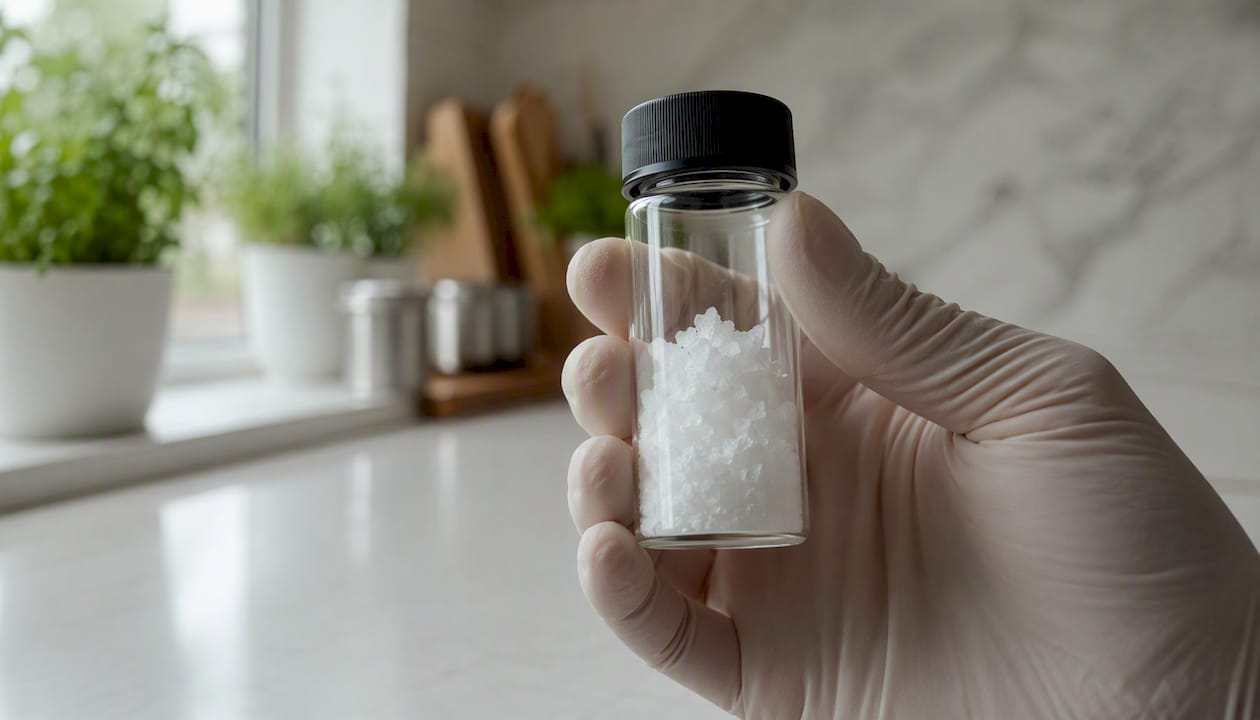
A beta-hydroxy acid (BHA) and the most widely used OTC acne active. Its oil solubility lets it penetrate the sebaceous follicle and dissolve the keratin plug that forms a comedone. Research confirms that its keratolytic effect depends strongly on concentration, vehicle, and co-ingredients. Leave-on serums typically use 0.5–2%; practical formulation guidance favors 1.5–2% as the effective target for leave-on products.
Benzoyl peroxide
Works by releasing free oxygen radicals that kill Cutibacterium acnes directly. Unlike antibiotics, it does not generate bacterial resistance.
Adapalene (retinoid)
JAAD clinical literature supports adapalene 0.1% as an evidence-based OTC retinoid for both comedonal and inflammatory acne. It normalizes follicular keratinization, preventing the formation of new microcomedones. It is the only retinoid available OTC in the United States at a clinically validated concentration. Prescription tretinoin and tazarotene are stronger but require a clinician.
Niacinamide
A form of vitamin B3 with multiple mechanisms: it reduces sebum production, calms inflammatory cytokines, and supports ceramide synthesis in the skin barrier.
Azelaic acid
Naturally derived from grains, azelaic acid inhibits the enzyme tyrosinase (relevant for PIH), has mild keratolytic activity, and reduces inflammatory mediators. It is one of the few actives considered safe during pregnancy, though medical guidance should be sought before use.
Sulfur and zinc
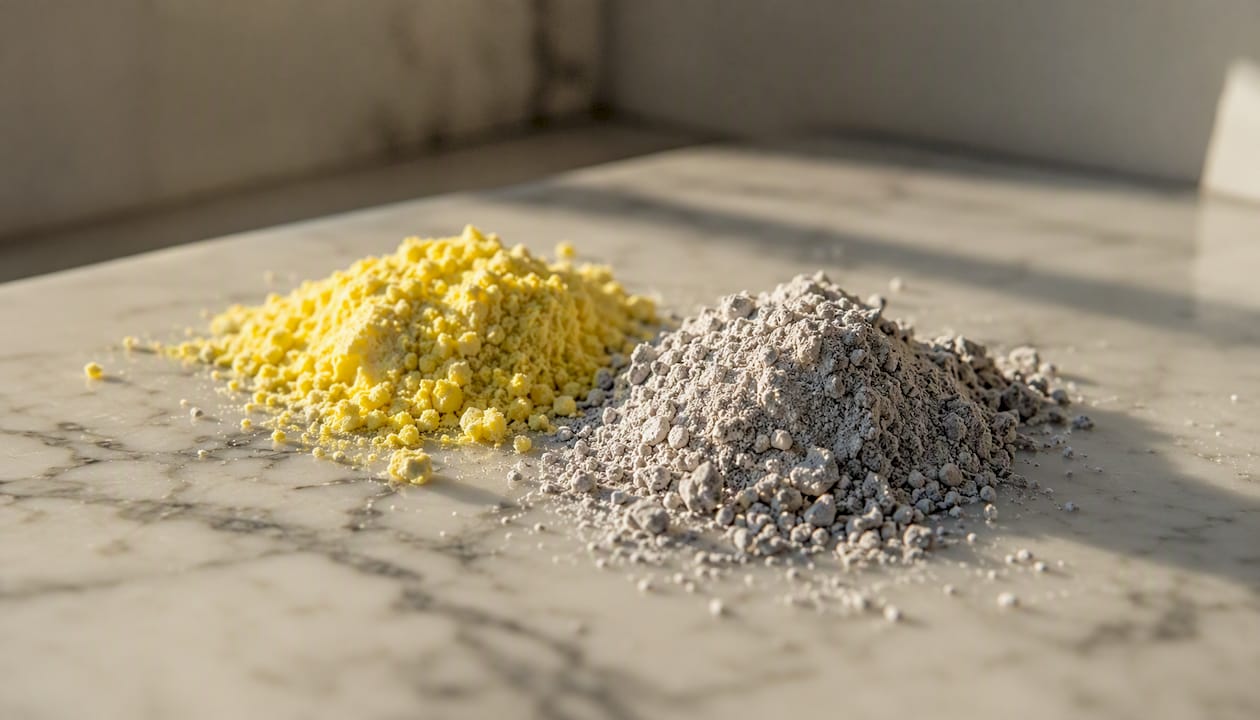
Zinc compounds, including zinc PCA and zinc gluconate, regulate sebum secretion and reduce C. acnes colonization. Both are useful in maintenance formulas and for people who cannot tolerate BHAs or retinoids. Zinc PCA also appears as an inactive ingredient in some formulations, where it contributes sebum-regulating effects without being listed as the primary active.
AHAs
Glycolic acid and lactic acid are water-soluble and work at the skin surface. They do not penetrate the follicle the way salicylic acid does, so their role in acne serums is secondary: surface texture improvement and fading PIH. They are more likely to appear in combination serums than as standalone acne actives.
Clinical trials show that many positive acne outcomes involve combination products, and isolating the independent effect of any single active is methodologically difficult. That is a practical argument for looking at the full formula, not just the lead active.
How do acne ingredients actually work?
Understanding the mechanism behind each active helps you judge whether a product’s claims are plausible and whether two actives in the same formula make sense together.
Keratolytic and exfoliant action. Salicylic acid loosens the bonds between dead skin cells (corneocytes) inside the follicle. Because it is oil-soluble, it travels through sebum into the pore lining, where it dissolves the plug. AHAs do the same job at the surface but cannot reach inside the follicle. Retinoids work differently: they bind nuclear receptors and normalize the rate of cell turnover, so the follicle sheds cells at a healthy pace instead of accumulating a plug.
Antibacterial pathways. Benzoyl peroxide generates reactive oxygen species that are directly toxic to C. acnes. Zinc and sulfur reduce bacterial colonization through a different route: zinc disrupts bacterial membrane function and reduces the free fatty acids that feed C. acnes, while sulfur’s keratolytic action removes the substrate bacteria thrive in.
Anti-inflammatory and repair pathways. Niacinamide suppresses the release of inflammatory cytokines and supports the skin barrier by stimulating ceramide production. Azelaic acid inhibits reactive oxygen species generated by neutrophils and reduces the inflammatory cascade triggered by C. acnes. Both are useful after the initial lesion has formed, reducing redness and preventing PIH.
Sebum regulation. Niacinamide and zinc PCA both reduce sebocyte activity. Niacinamide does so partly by inhibiting the transfer of melanosomes (relevant for PIH) and partly through direct effects on lipid synthesis. Zinc’s sebum-regulating effect is dose-dependent and works best when the zinc salt is bioavailable in the formulation.
The practical takeaway: a serum that pairs a BHA (pore clearance) with niacinamide (barrier support and inflammation reduction) covers two of the three main acne drivers simultaneously. That combination is one of the most common and well-supported pairings in OTC acne serums.
What concentration ranges are safe, and how do you introduce actives?
Safe use of acne actives depends on starting concentration, frequency, and how you layer them. Overuse is one of the most common reasons OTC acne treatment fails: the barrier breaks down, skin becomes reactive, and acne worsens.
OTC concentration anchors:
- Salicylic acid leave-on: 0.5–2%. Mayo Clinic dosing guidance lists solution 0.5–2% one to three times daily and gel 2–7% once daily (the higher gel range is for warts/peels, not cosmetic leave-on use).
- Benzoyl peroxide: 2.5–5% for daily leave-on use; 10% is available OTC but increases irritation without proportionally better outcomes for most people.
- Adapalene: 0.1% OTC; apply once daily in the evening.
- Azelaic acid: up to 10% OTC; once or twice daily.
- Niacinamide: 2–5% is the practical range for acne serums; higher concentrations (up to 10%) are used for brightening but are not necessary for acne.
Stepwise introduction:
- Patch test on the inner forearm for 24–48 hours before applying to the face.
- Start with the lowest effective concentration (e.g., salicylic acid 0.5–1%) twice weekly.
- Increase to every other day after two weeks if no irritation.
- Move to daily use after four weeks if tolerated.
- If redness, peeling, or stinging persists beyond the first week, reduce frequency before increasing it.
Combinations to avoid:
- Benzoyl peroxide applied directly over a retinoid in the same routine can oxidize and degrade the retinoid. Use benzoyl peroxide in the morning and adapalene at night, or use them on alternate days.
- Layering multiple acids (salicylic acid + glycolic acid + azelaic acid) in one routine raises the risk of barrier disruption without proportionally better results. Pick one exfoliating acid as the primary active.
- High-concentration alcohol-based toners before a BHA serum increases irritation risk. Apply BHA to clean, dry skin.
When to stop and see a clinician: If you develop painful nodules or cysts, widespread pustules, or any sign of allergic contact dermatitis (hives, swelling, spreading redness), stop all actives and consult a dermatologist. OTC serums are appropriate for mild to moderate comedonal and inflammatory acne; moderate to severe disease typically requires prescription treatment.
Pro Tip: If your skin feels tight or flaky after introducing a BHA, add a fragrance-free moisturizer with glycerin or ceramides immediately after the serum dries. Reducing application frequency is more effective than switching products.
Healthline’s clinical guidance recommends patch testing and gradual introduction as standard practice, noting that overuse can damage the barrier and worsen acne.
What do inactive ingredients do in an acne serum?
The inactive ingredients in an acne serum, listed under the INCI section of the label, determine how the active is delivered, how the skin tolerates the formula, and whether the product is appropriate for acne-prone skin.
Vehicles and humectants:
- Propanediol and glycerin are humectants that draw water into the skin. They reduce the dryness associated with BHAs and retinoids and are well tolerated by acne-prone skin.
- Hyaluronic acid is a high-molecular-weight humectant that sits at the skin surface and reduces transepidermal water loss. It appears in many acne serums as a tolerability modifier.
- Water is the primary vehicle in most leave-on serums. A water-based vehicle keeps the formula lightweight and non-occlusive, which matters for oily and acne-prone skin.
Emollients and occlusives:
- Caprylic/capric triglyceride (derived from coconut oil) and coco-caprylate are lightweight emollients that improve skin feel without significant comedogenic risk. They are commonly used in serums targeting oily skin.
- Silicones (dimethicone, cyclopentasiloxane) form a breathable film on the skin. They improve texture and reduce irritation from actives but can feel occlusive to some people with very oily skin.
Preservatives and irritant modifiers:
- Isopropyl alcohol at high concentrations is a known irritant and can disrupt the skin barrier. Its presence near the top of an INCI list in an acne serum is a tolerability concern.
- Propylene glycol is a humectant and solvent but can cause contact sensitization in some people at higher concentrations.
- Parabens (methylparaben, propylparaben) are effective, low-irritation preservatives. Phenoxyethanol and ethylhexylglycerin are common alternatives.
| INCI Role | Example Ingredients | Why It Matters for Acne-Prone Skin |
|---|---|---|
| Vehicle | Water, propanediol | Determines delivery speed and skin feel |
| Humectant | Glycerin, hyaluronic acid | Reduces dryness from actives |
| Emollient | Caprylic/capric triglyceride | Softens without heavy occlusion |
| Film former | Dimethicone | Reduces irritation, may feel occlusive |
| Preservative | Phenoxyethanol, parabens | Prevents microbial contamination |
| Irritant modifier | Isopropyl alcohol (high %) | Increases barrier disruption risk |
Rinse-off products (cleansers, wash-off masks) tolerate higher active concentrations because contact time is short. Leave-on serums require lower concentrations of the same actives to achieve the same tolerability profile. That is why a 2% salicylic acid cleanser and a 2% leave-on serum deliver different levels of skin exposure, and why vehicle-specific dosing matters when comparing products.
How do you read an acne serum label and spot misleading claims?
OTC acne serums sold in the United States that contain a recognized acne active (salicylic acid, benzoyl peroxide, sulfur) are regulated as OTC drugs by the FDA. That means the label must include a Drug Facts panel listing the active ingredient(s) and their concentration(s) separately from the inactive ingredients.
Where to find the active:
The Drug Facts panel appears on the outer packaging or label. Everything else in the formula falls under “Inactive Ingredients” in the same panel, listed in descending order of concentration. A DailyMed drug facts entry for a topical acne serum, for example, lists salicylic acid 0.5% as the active and then shows a full INCI table of inactives including water, propanediol, niacinamide, and azelaic acid.
Common INCI synonyms to know:
- Salicylic acid may appear as “beta-hydroxybenzoic acid” in older INCI nomenclature, though “salicylic acid” is the standard current term.
- Niacinamide is also listed as “nicotinamide” in some INCI databases.
- Benzoyl peroxide appears as “benzoyl peroxide” consistently; there is no common synonym to watch for.
- Azelaic acid is listed as “azelaic acid” in INCI; “nonanedioic acid” is the chemical name but rarely appears on consumer labels.
What “non-comedogenic” actually means:
The FDA does not define or regulate the term “non-comedogenic.” It is a marketing claim, not a certified standard. Products labeled non-comedogenic have typically been tested on a panel of volunteers or assessed against a comedogenicity rating scale for individual ingredients, but the methodology varies widely. The claim is meaningful as a signal of intent, not as a guarantee.
Label red flags:
- “Proprietary blend” or “complex” with no ingredient names or percentages listed.
- “Natural acne complex” without any recognized OTC active in the Drug Facts panel.
- Active ingredient listed only in the INCI section (not in a Drug Facts panel) with no stated percentage.
- Fragrance or essential oils listed near the top of the INCI list in a product marketed for sensitive or acne-prone skin.
- Claims of “clinically proven” without a cited study or specific outcome measure.
Pro Tip: If a product makes an acne treatment claim but has no Drug Facts panel, it is either a cosmetic (not an OTC drug) or it is mislabeled. Cosmetics can contain acne-relevant ingredients like niacinamide or azelaic acid, but they cannot legally claim to treat acne without FDA OTC drug status.
How do you choose the right acne serum for your skin type?
Skin type determines which actives you can tolerate at full strength from the start and which require a slower introduction or a lower-concentration entry point.
Oily and comedonal skin:
Its oil solubility makes it the most direct tool for dissolving the sebum-keratin plugs that form blackheads and whiteheads. Look for lightweight, water-based vehicles; avoid heavy silicone-rich formulas that may feel occlusive. Zinc PCA as an inactive adds sebum-regulating support without adding another active to manage.
Start with salicylic acid every other day for two weeks. If skin tolerates it without significant dryness, move to daily use. A 4–6 week check-in is the minimum before concluding the product is or is not working.
Inflammatory and cystic acne:
Adapalene addresses both the comedonal and inflammatory components. For moderate to severe cystic acne, OTC serums are unlikely to be sufficient. A dermatology referral is the practical next step; prescription options (tretinoin, clindamycin, oral antibiotics, isotretinoin) address the disease at a level OTC actives cannot.
Sensitive and dry skin:
Prioritize formulas with glycerin, ceramides, or hyaluronic acid as inactives. Avoid formulas with isopropyl alcohol or high concentrations of propylene glycol near the top of the INCI list.
Patch test on the inner forearm before applying to the face. Wait 48 hours. If no reaction, apply to a small area of the face for three to four days before full-face use.
Combination skin:
The T-zone typically tolerates BHAs well; the cheeks may not. A targeted application approach (applying the BHA serum only to oily zones) lets you use an effective concentration without over-treating drier areas. Niacinamide applied all over balances the routine.
Pro Tip: For sensitive skin, the order of introduction matters as much as the concentration. Add one new active at a time, wait four weeks, then assess before adding a second. Introducing salicylic acid and adapalene simultaneously makes it impossible to identify which product is causing irritation.
What timeline should you expect from an acne serum?
Realistic timelines prevent both premature abandonment and overuse. The two most common mistakes are stopping a product after two weeks because it “isn’t working” and escalating concentration after four weeks because results feel slow.
| Weeks | Expected Changes | Recommended Action |
|---|---|---|
| 1–2 | Possible texture improvement; initial purging (temporary increase in breakouts) | Continue; do not increase frequency |
| 4–8 | Measurable reduction in comedone count and inflammatory lesion count | Assess tolerability; increase frequency if well tolerated |
| 8 weeks | Fuller clinical response; PIH begins to fade | Continue or consult a dermatologist if progress has stalled |
| 8 weeks | Maintenance phase; consider whether prescription escalation is needed | Dermatology referral if moderate-severe disease persists |
Healthline’s guidance states that meaningful improvement typically requires several weeks and recommends consulting a dermatologist if there is no significant change by roughly 6–8 weeks. Cosmetic science formulation guidance places the onset of visible improvement for leave-on salicylic acid at approximately four weeks, with fuller effects around eight weeks.
“Purging” (a temporary increase in breakouts during the first two to four weeks) is a recognized phenomenon with retinoids and BHAs. It occurs because the active accelerates the turnover of microcomedones already forming under the skin. Purging resolves; a genuine adverse reaction (spreading redness, hives, pain) does not.
Pro Tip: Track progress with weekly photos taken in consistent lighting. Lesion counts are more reliable than skin “feel” as a progress metric. If dryness and flaking appear before lesion reduction, reduce application frequency rather than adding a second active.
When to seek urgent care: Nodular or cystic acne that is painful, spreading, or leaving scars warrants a dermatology appointment regardless of how long you have been using OTC products. Systemic symptoms (fever, spreading cellulitis) require immediate medical attention.
What ingredient combinations appear most often in acne serums?
Brands pair actives deliberately. Recognizing the logic behind a combination tells you what problem the formula is designed to solve.
- Salicylic acid + niacinamide: The most common pairing in OTC acne serums. BHA clears the pore; niacinamide reduces the redness and barrier disruption that BHA can cause. Safe to use in a single formula or layered in sequence (BHA first, niacinamide after).
- Salicylic acid + azelaic acid: Targets both comedones and PIH simultaneously. Azelaic acid’s mild keratolytic effect complements BHA without stacking irritation risk the way two strong acids would.
- Adapalene + moisturizing inactives (glycerin, hyaluronic acid, ceramides): Retinoids are inherently drying. Formulators buffer adapalene with humectants and barrier-supporting inactives to improve tolerability and compliance.
- Benzoyl peroxide + soothing agents (aloe vera, allantoin, panthenol): BPO is the most irritating common acne active. Soothing inactives reduce the redness and peeling that limit adherence.
- Niacinamide + zinc PCA: A sebum-regulating duo. Neither is a primary exfoliant, so this combination suits maintenance routines or people who cannot tolerate BHAs.
Formulation sequence on an INCI list typically runs: solvent/water first, then actives and co-actives, then humectants, emollients, and preservatives last. An active listed in the top five INCI positions is present in a meaningful amount. One listed near the bottom may be present at a concentration too low to have a measurable effect.
Multi-active serums that combine a BHA with niacinamide and a soothing inactive can reduce the need for multiple separate products in mild to moderate acne cases. They do not replace prescription-strength actives for moderate to severe disease.
What shoppers often get wrong about acne serum ingredients
Most people shopping for an acne serum focus on the lead active and ignore everything else. That is understandable but often the reason a product fails. The vehicle, the preservative system, and the supporting inactives determine whether the active reaches the follicle at an effective concentration and whether the skin can tolerate daily use long enough to see results.
The second common mistake is treating a higher percentage as automatically better. The evidence base for single-ingredient acne actives is often built on combination products, which means the inactive ingredients in those trials were doing real work.
The third mistake is ignoring the distinction between OTC drug and cosmetic. A product with no Drug Facts panel cannot legally claim to treat acne, regardless of what its marketing says. Niacinamide and azelaic acid can appear as inactives in an OTC drug serum or as the primary actives in a cosmetic serum. In the cosmetic context, they are not subject to the same concentration and labeling standards. That does not make them ineffective, but it does mean you are relying on the brand’s formulation choices rather than FDA-regulated drug standards.
When Nexoclub curates skincare serums, the selection criteria prioritize products with clear Drug Facts labeling, stated active concentrations, and formulation vehicles appropriate for acne-prone skin. The curation approach described in Nexoclub’s dermatologist-recommended supplements content reflects the same principle: ingredient clarity and evidence-backed actives over marketing language.
Nexoclub carries serums built around the actives this article covers
Readers who have worked through the ingredient logic above are in a better position than most to evaluate a product page. Nexoclub’s skincare and personal care category stocks serums with stated active concentrations and INCI-transparent labeling, so you can apply the label-reading framework from this article directly. For those looking to support skin health from the inside alongside topical treatment, the supplements and nutrition section includes zinc and vitamin E options that complement a topical acne routine.
Browse the skincare range, check the Drug Facts panel on any product page, and use the concentration anchors from this article to shortlist formulas that match your skin type and acne presentation.